
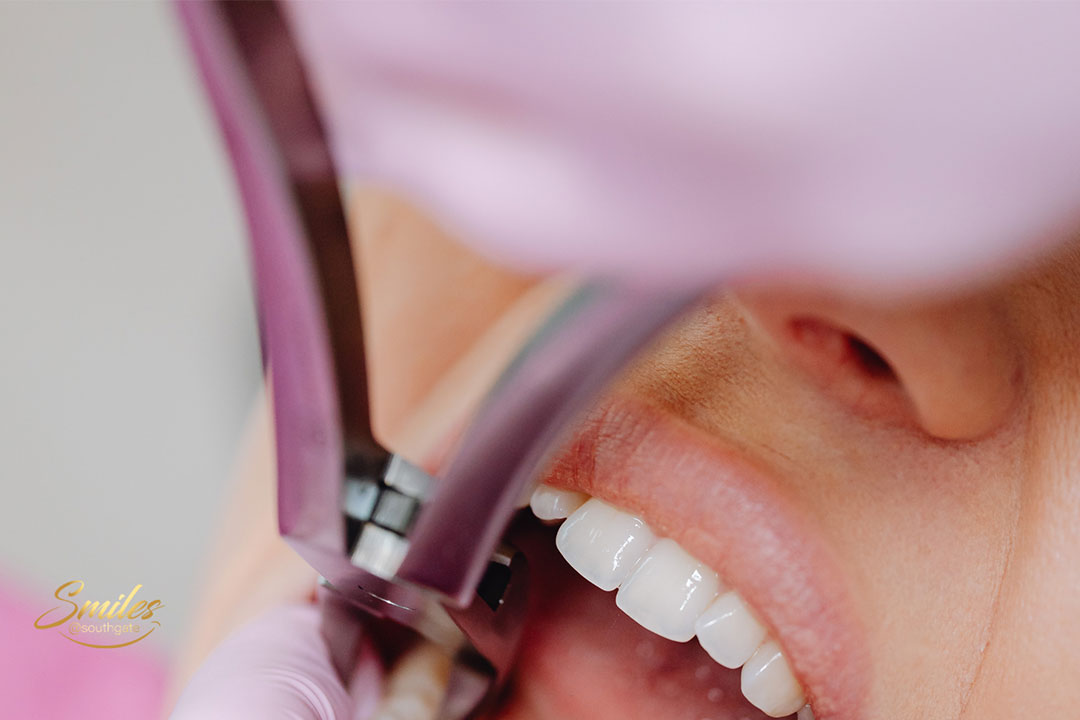
To maintain optimal oral health, most individuals undergo common procedures in general and family dentistry. These procedures are imperative for preventing dental issues and keeping your smile bright. Understanding the basics of these routine treatments can help you feel more at ease during your dental visits and empower you to control your oral hygiene.
Diagnostic Procedures
Visual Examinations
For a comprehensive dental check-up, your dentist will begin with a visual examination of your oral cavity. During this procedure, your dentist will assess the overall health of your teeth, gums, tongue, and other oral tissues. They will look for signs of tooth decay, gum disease, oral cancer, and other oral health issues. Your dentist may also check for signs of teeth grinding, jaw clenching, or other habits that may be impacting your oral health.
Radiographic Examinations (X-Rays)
Visual examinations may not reveal everything that is happening below the surface of your teeth and gums. In such cases, your dentist may recommend radiographic examinations, commonly known as X-rays. X-rays provide detailed images of your teeth, roots, and jawbone, helping your dentist identify cavities, bone loss, impacted teeth, and other dental problems that are not visible during a visual examination.
This diagnostic tool is invaluable in creating a comprehensive treatment plan tailored to your specific oral health needs. X-rays can also be used by your dentist to track changes in your oral health over time, making them a necessary part of preventive dental care.
Preventive Procedures
Some of the most crucial procedures in general and family dentistry are preventive in nature. By taking proactive steps to maintain your oral health, you can prevent more serious issues down the line.
Cleanings and Prophylaxis
Cleanings are imperative to remove plaque and tartar buildup on your teeth. During a cleaning, your dentist or dental hygienist will use specialized tools to scrape away these deposits, helping to prevent gum disease and tooth decay. Prophylaxis, also known as prophy, is a more intensive cleaning that goes beyond what you can achieve at home with regular brushing and flossing.
Fluoride Treatments
Fluoride treatments apply a concentrated form of fluoride to your teeth, strengthening their enamel and increasing their resistance to decay. This procedure is especially beneficial for children whose developing teeth can greatly benefit from fluoride’s protective effects. It’s important to note that fluoride treatments are safe and effective in small doses. Your dentist may recommend these treatments as part of your regular dental check-ups to ensure your teeth remain healthy and strong.
Sealants
Fluoride isn’t the only preventive tool at your disposal. You apply sealants, thin, protective coatings, to the chewing surfaces of your back teeth to prevent bacteria and food particles from becoming trapped in the grooves and crevices. By sealing off these areas, sealants help reduce the risk of cavities and decay in these vulnerable areas. The application of sealants is a quick and painless process that can offer long-lasting protection for your teeth. Children and teenagers, in particular, can benefit from sealants as they are more prone to developing cavities in their permanent molars.
Restorative Procedures
Keep your smile healthy and bright with common restorative procedures offered by general and family dentists. From fillings to root canals, these treatments can help maintain the function and aesthetics of your teeth.
Fillings (Amalgam and Composite)
People commonly use restorative fillings to repair cavities and restore damaged teeth. Aluminium fillings, made of a blend of metals, are durable and suitable for larger cavities in the back teeth. Composite fillings, made of a tooth-colored resin material, are more aesthetic and best for visible front teeth. Your dentist will recommend the most suitable option based on the location and size of the cavity.
Crowns and Bridges
Crowns and bridges are among the most common restorative procedures for damaged or missing teeth. Crowns are custom-made caps that cover a damaged tooth to restore its shape, size, strength, and appearance. Conversely, bridges anchor artificial teeth to adjacent natural teeth or dental implants to replace one or more missing teeth.
Crowns and bridges can also help protect your oral health by preventing tooth shifting, improving bite alignment, and restoring your ability to chew properly. Consulting with your dentist can help you determine the best treatment plan to restore your smile and maintain optimal oral health.
Root Canals
One of the most feared but highly effective restorative procedures is a root canal. This treatment is necessary when the pulp inside your tooth becomes infected or inflamed due to deep decay, a crack, or injury. A root canal removes the infected pulp and cleans, disinfects, fills, and seals the inside of the tooth to prevent further infection.
A root canal can prevent the extraction of your tooth and relieve the pain resulting from an infection. Following this procedure, your dentist may recommend a crown to protect the tooth and restore its function and appearance. With modern dental techniques, root canals are now relatively comfortable and can help you maintain a healthy smile for years to come.
Cosmetic Procedures
Your smile is one of the first things people notice about you, and cosmetic dental procedures can help you achieve the smile you’ve always wanted. Whether you’re looking to whiten your teeth, fix imperfections, or restore missing teeth, general and family dentists offer a variety of cosmetic procedures to enhance your smile.
Teeth Whitening
The most common cosmetic procedure in dentistry is teeth whitening. Over time, teeth can become discoloured from food, drinks, smoking, and aging. Professional teeth-whitening treatments offered by dentists can effectively brighten your smile and improve your confidence. In-office whitening treatments typically provide quicker and more dramatic results compared to at-home whitening kits.
Bonding and Veneers
Bonding and veneers are the next set of cosmetic procedures that can help restore your teeth. Bonding is a process where the dentist applies a tooth-coloured composite resin to repair a decayed, chipped, fractured, or discoloured tooth. On the other hand, the dentist bonds thin porcelain shells known as veneers to the front surface of the teeth to enhance their appearance. Both bonding and veneers can help in creating a natural-looking, flawless smile.
Procedures like bonding and veneers are excellent options for correcting minor imperfections in your teeth. They can enhance the shape, colour, and overall appearance of your smile, giving you the confidence to show off your teeth without any hesitation.
Dental Implants
An innovative solution for missing teeth is dental implants. Dental implants are titanium posts surgically inserted into the jawbone to replace missing teeth. They serve as a robust base for either fixed or removable replacement teeth, designed to blend seamlessly with your original teeth. Dental implants look and feel like real teeth, allowing you to eat, speak, and smile with confidence.
Teeth are necessary for chewing, speaking, and maintaining the structure of your face. Dental implants are a long-lasting solution for tooth loss that can significantly improve your oral health and quality of life. If you have missing teeth, dental implants may be the perfect option for restoring your smile and functionality.
Surgical Procedures
In general and family dentistry, surgical procedures typically address specific issues that non-invasive treatments cannot resolve, unlike routine check-ups or cleanings. These procedures are typically safe and carried out under local anesthesia to minimize discomfort.
Extractions (Simple and Surgical)
For extractions, your dentist may recommend a simple extraction for a tooth that is visible in the mouth and has erupted fully. This process entails loosening the tooth with an elevator instrument and then removing it with forceps. If a tooth is impacted or broken off at the gum line, a surgical extraction may be necessary. During this procedure, your dentist will make a small incision in the gum to gain access to the tooth, which may require sectioning into pieces for easier removal.
Wisdom Teeth Removal
Surgical removal of wisdom teeth is a common procedure, especially when they become impacted or cause crowding or pain. Wisdom teeth, also known as third molars, often do not have enough room to fully emerge through the gums, leading to various issues. During this procedure, your dentist or oral surgeon will make a small incision in the gum to access the tooth and may need to extract it in sections to prevent damaging nearby teeth or nerves.
A thorough evaluation, including dental x-rays, will help determine if wisdom teeth removal is necessary to prevent future complications and maintain your oral health.
Oral Biopsies
To diagnose suspicious lesions or abnormalities in your mouth, your dentist may recommend an oral biopsy. During this procedure, a laboratory receives a small piece of tissue for microscopic examination. This assists in identifying any potential signs of oral cancer or other serious conditions, allowing for early intervention and treatment if necessary.
Plus, most oral biopsies are minimally invasive and performed under local anesthesia, with minimal discomfort and quick healing time. Your dentist will provide guidance on post-operative care to ensure proper healing and optimal results.
Pediatric Procedures
Despite your best efforts to maintain your child’s oral hygiene at home, regular visits to the dentist for pediatric procedures are crucial for their overall dental health. Here are some common pediatric procedures you can expect during your child’s dental appointments.
Children’s Cleanings and Exams
For children, cleanings and exams are crucial for preventing dental issues and ensuring proper development of their teeth and jaws. During these visits, the dentist will thoroughly clean your child’s teeth, removing any plaque and tartar buildup. They will also perform a comprehensive examination to check for any signs of decay, gum disease, or other dental problems.
Regular cleanings and exams not only help keep your child’s teeth healthy but also allow the dentist to catch any issues early on, preventing more extensive treatments in the future.
Pediatric Fillings and Restorations
Cleanings are crucial, but sometimes children may still develop cavities that require fillings or other restorative treatments. Pediatric fillings are typically tooth-coloured to blend in seamlessly with your child’s natural teeth.
Understanding the importance of maintaining your child’s oral health is key to preventing more severe issues down the line. By addressing cavities early with fillings, you can preserve your child’s teeth and prevent further decay.
Orthodontic Evaluations
Pediatric orthodontic evaluations are crucial for identifying any potential alignment issues or bite problems early on. Your child’s dentist will assess their jaw and teeth alignment to determine if orthodontic treatment may be necessary in the future.
Plus, early detection of orthodontic issues can lead to more effective and less invasive treatments, ultimately saving you time and money in the long run.
Conclusion
Finally, with a better understanding of common procedures in general and family dentistry, you can feel more confident and informed when visiting your dentist. From routine check-ups to more advanced treatments like root canals and dental implants, knowing what to expect can help alleviate any anxiety or uncertainty you may have about dental procedures.
Do not forget, your dental health is an important part of your overall well-being, and regular visits to the dentist for cleanings and exams can help prevent more serious issues down the line. By staying informed and proactive about your dental care, you can maintain a healthy smile for years to come.