
Dental anxiety in children is a common phenomenon that can have a significant impact on their oral health and overall well-being. It is characterized by feelings of fear, nervousness, and unease when it comes to visiting the dentist or undergoing dental procedures. Children may experience dental anxiety for a variety of reasons, including fear of pain, the unknown, or a previous negative dental experience. This anxiety can manifest in different ways, such as crying, tantrums, or physical resistance when faced with a dental appointment.
Children with dental anxiety may also exhibit symptoms such as increased heart rate, sweating, and stomachaches leading up to a dental visit. It’s important for parents and dental professionals to recognize the signs of dental anxiety in children in order to address it effectively. By understanding the root causes of dental anxiety and its impact on children, parents and dental professionals can work together to help children overcome their fears and develop positive attitudes towards dental care.
Dental anxiety in children can be a complex issue that requires a compassionate and understanding approach. By acknowledging the unique fears and concerns of each child, parents and dental professionals can create a supportive environment that promotes trust and comfort. With the right strategies and support, children can learn to manage their anxiety and feel more at ease when it comes to dental visits.
Key Takeaways
- Dental anxiety in children is a common issue that can stem from fear of the unknown, previous negative experiences, or parental influence.
- Common causes of dental anxiety in children include fear of pain, feeling of loss of control, and fear of the dental environment.
- Dental anxiety can have a significant impact on children’s oral health, leading to avoidance of dental care and potential development of dental problems.
- Strategies for managing dental anxiety in children include communication, desensitization, and distraction techniques.
- Parents play a crucial role in helping children overcome dental anxiety by providing reassurance, positive reinforcement, and preparing them for dental visits.
Common Causes of Dental Anxiety in Children
There are several common causes of dental anxiety in children that can contribute to their fear and unease when it comes to visiting the dentist. One of the primary causes is the fear of pain. Children may have heard stories from friends or family members about painful dental procedures, leading them to associate the dentist with discomfort and fear. Additionally, the fear of the unknown can also play a significant role in dental anxiety. Children may feel anxious about not knowing what to expect during a dental visit or procedure, leading to feelings of unease and nervousness.
Another common cause of dental anxiety in children is a previous negative dental experience. If a child has had a painful or traumatic experience at the dentist in the past, they may develop a fear of future visits. This can create a cycle of anxiety and avoidance that can be challenging to overcome. Additionally, children who are naturally more sensitive or anxious may be more prone to developing dental anxiety.
It’s important for parents and dental professionals to be aware of these common causes of dental anxiety in children in order to address them effectively. By understanding the specific fears and concerns of each child, parents and dental professionals can work together to create a supportive and reassuring environment that helps children feel more at ease when it comes to dental care.
The Impact of Dental Anxiety on Children’s Oral Health
Dental anxiety in children can have a significant impact on their oral health and overall well-being. When children experience dental anxiety, they may be more likely to avoid or delay necessary dental care, which can lead to oral health issues such as cavities, gum disease, and tooth decay. Additionally, children with dental anxiety may be more prone to developing poor oral hygiene habits, as they may be reluctant to brush and floss regularly due to their fear of dental visits.
Furthermore, the impact of dental anxiety on children’s oral health extends beyond physical consequences. Children who experience dental anxiety may also suffer from emotional and psychological effects, such as low self-esteem and feelings of shame or embarrassment about their oral health. This can have long-term implications for their overall well-being and quality of life.
It’s crucial for parents and dental professionals to recognize the impact of dental anxiety on children’s oral health in order to address it effectively. By providing support and guidance, parents and dental professionals can help children overcome their fears and develop positive attitudes towards dental care, ultimately promoting better oral health outcomes.
Strategies for Managing Dental Anxiety in Children
There are several strategies that can be effective in managing dental anxiety in children and helping them feel more comfortable and at ease during dental visits. One approach is to use positive reinforcement and praise to help children feel more confident and relaxed. By acknowledging their bravery and resilience, parents and dental professionals can help children build self-esteem and reduce their anxiety.
Another effective strategy is to use distraction techniques during dental appointments. This can include providing children with toys, books, or music to focus on during their visit, helping to take their mind off any fears or worries they may have. Additionally, deep breathing exercises and relaxation techniques can also be helpful in managing dental anxiety in children.
It’s important for parents and dental professionals to work together to find the most effective strategies for managing each child’s dental anxiety. By taking a personalized approach that acknowledges the unique fears and concerns of each child, parents and dental professionals can create a supportive environment that promotes trust and comfort.
The Role of Parents in Helping Children Overcome Dental Anxiety
Parents play a crucial role in helping children overcome dental anxiety and develop positive attitudes towards dental care. One important way parents can support their children is by being positive role models when it comes to their own dental care. By demonstrating good oral hygiene habits and maintaining a positive attitude towards dental visits, parents can help instill confidence and resilience in their children.
Additionally, open communication is key in helping children overcome dental anxiety. Parents should take the time to listen to their children’s fears and concerns about visiting the dentist, providing reassurance and support as needed. By addressing any worries or questions children may have, parents can help alleviate their anxiety and promote a sense of trust and comfort.
Furthermore, parents can help prepare their children for dental visits by providing information about what to expect during the appointment. By explaining procedures in a clear and age-appropriate manner, parents can help demystify the experience for their children, reducing feelings of fear and uncertainty.
The Importance of a Child-Friendly Dental Environment

Creating a child-friendly dental environment is essential in helping children feel more comfortable and at ease during their visits. A welcoming and supportive atmosphere can go a long way in alleviating dental anxiety and promoting positive attitudes towards dental care. Child-friendly waiting areas with toys, books, and colorful decor can help distract children and make them feel more relaxed before their appointment.
Additionally, using child-friendly language and communication techniques can help put children at ease during their visit. Dental professionals should take the time to explain procedures in a gentle and reassuring manner, using age-appropriate language that children can understand. This can help demystify the experience for children and reduce feelings of fear and uncertainty.
Furthermore, using positive reinforcement and praise can help create a supportive environment that promotes trust and comfort for children. By acknowledging their bravery and resilience during their visit, dental professionals can help boost children’s self-esteem and reduce their anxiety.
Professional Interventions for Severe Dental Anxiety in Children
For children with severe dental anxiety, professional interventions may be necessary to help them overcome their fears and feel more at ease during dental visits. One effective intervention is cognitive-behavioral therapy (CBT), which helps children identify and change negative thought patterns related to visiting the dentist. CBT can help children develop coping strategies for managing their anxiety and build resilience when faced with challenging situations.
Additionally, desensitization techniques can be helpful for gradually exposing children to the sights, sounds, and sensations of a dental visit in a controlled and supportive manner. This can help children become more familiar with the experience over time, reducing feelings of fear and unease.
In some cases, sedation dentistry may be recommended for children with severe dental anxiety. This involves using medication to help children relax during their visit, making the experience less stressful and more comfortable for them.
It’s important for parents to work closely with dental professionals to determine the most appropriate interventions for their child’s specific needs. By taking a collaborative approach that prioritizes the well-being and comfort of the child, parents and dental professionals can help children overcome their severe dental anxiety and develop positive attitudes towards dental care.
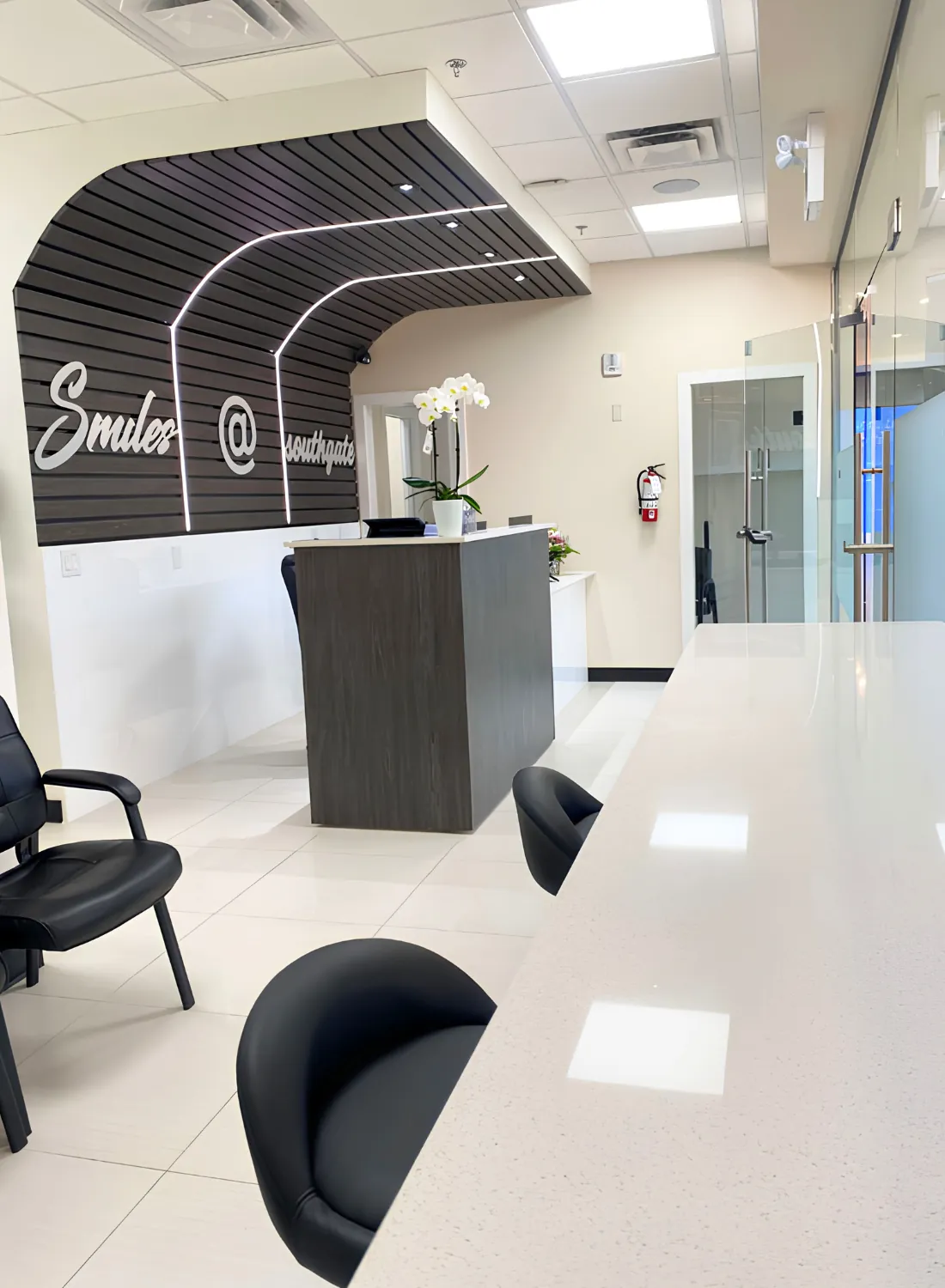
If you’re looking for solutions to help your child overcome dental anxiety, you may want to consider exploring the services offered at Smiles at Southgate. They offer a range of dental services, including cosmetic treatments, that can help improve your child’s dental experience. Additionally, they are currently running a contest that could provide a fun and positive distraction for your child during their dental visits. For more information on their services and contest, visit Smiles at Southgate.