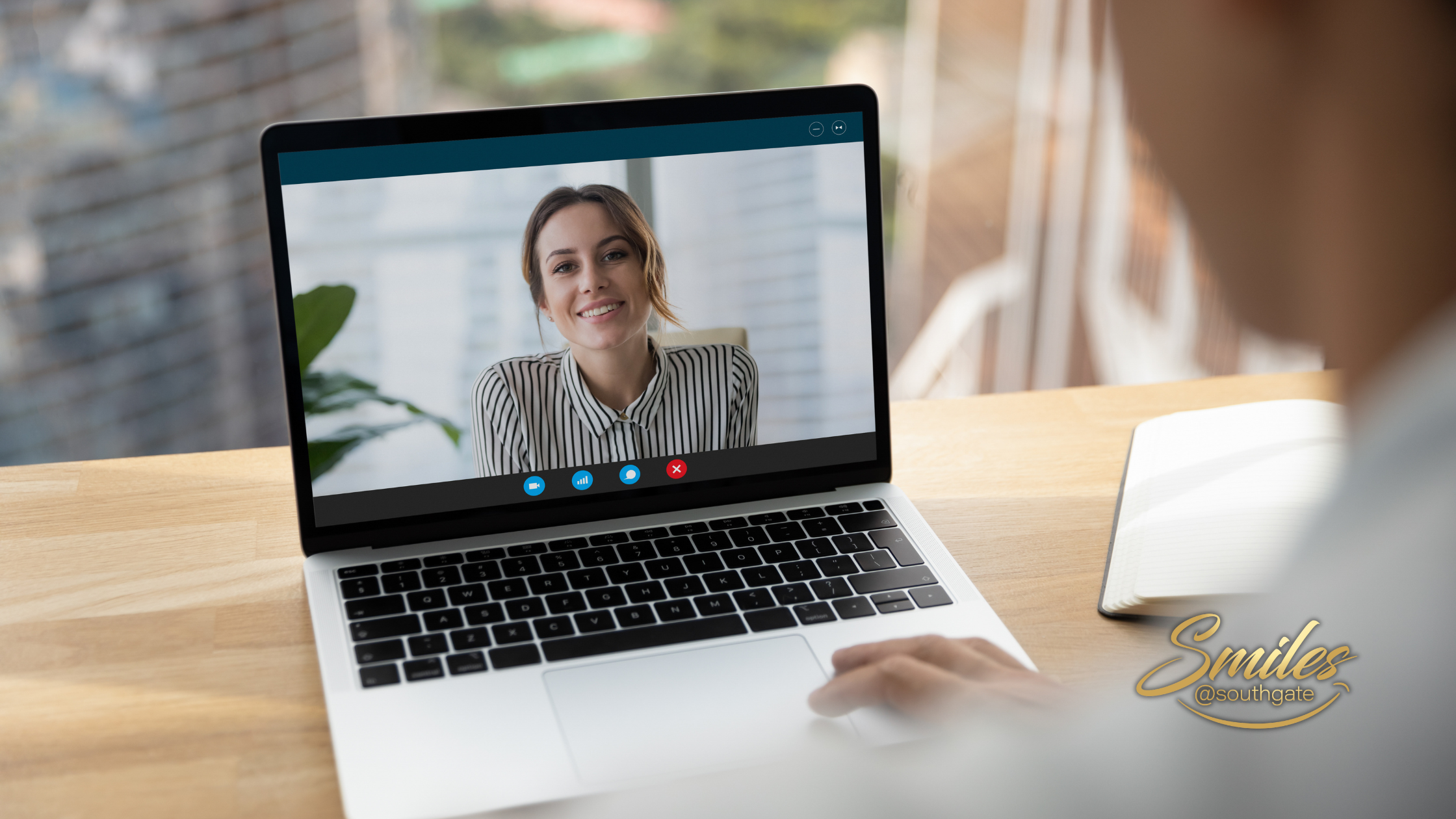
Over the past few years, you may have noticed a shift in how dental care is delivered, especially as teledentistry becomes more prevalent. This innovative approach allows you to consult your dentist remotely, enhancing accessibility and convenience.
As dental clinics adapt, they are implementing advanced technologies to conduct virtual examinations, provide immediate care recommendations, and follow up with patients effectively. Take note that while teledentistry offers significant benefits such as reduced waiting times, there are also potential challenges that clinics must navigate to ensure your oral health remains a top priority.
Key Takeaways:
- Dental clinics are integrating teledentistry platforms to facilitate remote consultations, allowing for efficient patient triage and follow-ups.
- Practices are investing in training and technology to enhance virtual communication, ensuring that patients receive quality advice and care from a distance.
- Teledentistry is being utilized to expand access to dental care, especially in underserved areas, improving overall patient outreach and engagement.
The Rise of Teledentistry
While the demand for accessible dental care grows, teledentistry has emerged as a solution to connect you with dental professionals remotely. This innovative approach allows you to receive consultations, diagnostics, and follow-up care from the comfort of your home, transforming your dental experience in an increasingly digital world.
Definition and Overview
In essence, teledentistry refers to the incorporation of telecommunication technology in dental practices to enhance patient care. It encompasses various services, including virtual consultations, remote monitoring, and patient education, allowing you to communicate with your dental provider and manage your oral health more efficiently.
Trends Driving Adoption
Driving the adoption of teledentistry are factors such as increased patient demand for convenience, advancements in technology, and ongoing changes in healthcare regulations. You may find that these elements contribute to a rapidly evolving dental landscape ready to embrace innovative solutions.
To illustrate, many patients like you appreciate the convenience of scheduling appointments after hours or receiving immediate advice during a dental emergency. The rise of sophisticated telecommunication tools and telehealth platforms creates efficient channels for care that minimize the time and effort you invest in routine visits.
“Teledentistry bridges the gap between accessibility and immediacy, ensuring you can address dental issues before they escalate into more complicated concerns, even outside traditional office hours.” — Dr. Manjot Dhaliwal
Additionally, as healthcare regulations evolve, many insurance providers now cover teledentistry services, making them an economically sound option for your dental needs, ultimately making dental care more accessible than ever before.
Benefits of Teledentistry for Patients
Even with the challenges of maintaining oral health, teledentistry offers significant advantages for you as a patient. With virtual consultations, you can easily connect with your dental care provider from the comfort of your home, making it easier than ever to manage your dental needs.
This approach saves you time and enhances your access to expert advice and resources, ensuring that you receive timely attention for your dental concerns.
Accessibility and Convenience
Accessibility is a key benefit of teledentistry. You can schedule appointments that suit your lifestyle without the logistical challenges of travel, especially if you live in a rural area or have mobility issues.
“For patients in underserved or remote areas, teledentistry can make the difference between receiving timely care and delaying treatment, which is critical for preventing long-term oral health problems.” — Dr. Manjot Dhaliwal
With a few clicks, you can consult your dentist, eliminating long wait times and allowing for a more flexible approach to your dental care.
Cost-Effectiveness
Regarding cost-effectiveness, teledentistry offers a solution to significantly reduce your dental expenses. By eliminating the need for in-person visits for routine check-ups or consultations, you can save on travel costs and potential time off work.
This approach makes dental care more affordable and ensures that you stay on top of your oral health without financial strain.
In fact, many dental insurance plans cover teledentistry services, making virtual visits even more beneficial. The reduced overhead costs associated with telehealth services can sometimes translate into lower fees for you, depending on the clinic’s pricing model.
You gain access to crucial dental care at your convenience while avoiding costly emergency visits due to untreated issues. By leveraging teledentistry, you can proactively manage your dental health in a budget-friendly manner.
Technological Innovations Supporting Teledentistry
Your dental care has evolved with the rise of teledentistry, as clinics harness innovative technologies to improve patient experiences. From virtual consultations to advanced diagnostic tools, the integration of these technologies ensures that you receive timely and effective dental care, all from the comfort of your home.
This shift enhances accessibility and optimizes your overall health journey.
Virtual Consultation Tools
Innovations in virtual consultation tools have transformed how you interact with dental professionals. Through secure video calls and messaging systems, you can discuss your concerns, receive preliminary advice, and schedule future appointments, all without stepping foot in a clinic.
This ease of access allows you to engage with your dental health proactively.
Diagnostic Technologies
To enhance the diagnostic process, dental clinics are adopting advanced technologies that enable you to receive accurate assessments remotely. These diagnostic tools facilitate the examination of your oral health by utilizing imaging technologies and artificial intelligence, making it easier for dentists to identify potential issues.
Tools such as AI-driven diagnostic software and high-resolution imaging allow for thorough evaluations without traditional in-person visits. These technologies enhance your experience by providing quick results and personalized care pathways.
“The combination of artificial intelligence and imaging tools in teledentistry empowers patients with precision diagnostics, creating a level of care that rivals in-office visits while offering unmatched convenience.” — Dr. Manjot Dhaliwal
Furthermore, they reduce the risk of missed conditions, ensuring that even mild oral health issues can be addressed early. With these innovations, you can trust that your dental care remains comprehensive, even in a remote setting.
Challenges Faced by Dental Clinics
After the pandemic, dental clinics have encountered several challenges in adopting teledentistry. Transitioning from traditional in-person consultations to virtual visits often involves re-evaluating workflows, training staff, and investing in new technologies.
Additionally, the need to maintain a high standard of patient care while managing the logistics of remote appointments has proven to be complex, requiring clinics to strategize effectively to meet patient expectations.
Regulatory Compliance
Against a backdrop of evolving legislation, dental clinics must navigate a myriad of regulations concerning teledentistry. Staying compliant with local, state, and federal laws can be daunting, especially as telehealth guidelines frequently change.
You need to ensure that your practice adheres to these regulations to avoid potential legal issues and maintain your license.
Patient Privacy Concerns
Any implementation of teledentistry raises significant concerns regarding patient privacy. With the transmission of sensitive health information online, protecting your patients’ data from breaches and unauthorized access is paramount.
Considering the sensitive nature of health data, it is imperative to adopt stringent measures to protect client information. You should utilize secure platforms that comply with health regulations such as HIPAA in the U.S. or GDPR in the European Union, ensuring that all communications and records are encrypted.
Be open with patients about how their data is used and stored to build trust and encourage teledentistry. Additionally, regularly training your staff on best practices for maintaining patient confidentiality can significantly mitigate risks associated with data exposure.
Case Studies of Successful Implementation
Despite the challenges posed by the shift to teledentistry, many dental clinics have successfully adapted. Here are some notable case studies:
- Dental Clinic A: Achieved a 30% increase in patient consultations via telehealth within 6 months.
- Dental Clinic B: Reported a 40% reduction in no-show rates during virtual appointments.
- Dental Clinic C: Enhanced patient satisfaction scores by 25% through improved accessibility and convenience.
- Dental Clinic D: Generated 15% more referrals attributed to positive patient experiences with teledentistry.
These figures reflect trends observed in industry reports, such as those in the Journal of Telemedicine and Telecare (2023).
Clinics Adapting to New Models
After realizing the need for innovation, many clinics have embraced new models of care. They are now able to offer effective solutions and expedite patient interactions by incorporating teledentistry into their practices.
This shift supports immediate consultations and helps in managing follow-up care remotely, making it easier for you to access dental services without leaving home.
Patient Outcomes and Feedback
According to a 2021 survey by the DentaQuest Partnership, approximately 75% of patients reported a positive experience using teledentistry for their dental care. Your feedback allows clinics to adjust their services according to your needs, resulting in more personalized care.
Many patients express appreciation for the convenience and reduced travel time associated with virtual appointments.
And while some might be concerned about the effectiveness of remote consultations, data shows that a significant number of patients have received effective diagnoses and treatment plans. Surveys show that most patients felt their concerns were adequately addressed during virtual visits, though some noted that teledentistry may have limitations compared to in-person care.
Moreover, the ability to quickly connect with your dentist has led to timely interventions, proving beneficial for routine and urgent care alike. Adopting telehealth enhances your experience and contributes to positive health outcomes in the long run.
The Future of Dental Care
Once again, the landscape of dental care is shifting as teledentistry emerges as a viable alternative during and post-pandemic. With advancements in technology, you can now access dental consultations and preventive care remotely.
This trend increases convenience and enhances patient engagement, ultimately paving the way for a more accessible and efficient dental health system.
Long-Term Implications of Teledentistry
Before fully embracing teledentistry, dental clinics must consider its long-term implications. The integration of virtual consultations and remote monitoring may lead to a fundamental shift in how dental care is delivered.
You may find that your dentist is more reachable than ever, allowing for timely interventions and follow-ups.
Evolving Patient Expectations
On the other hand, your expectations as a patient have also changed. You increasingly demand flexibility and accessibility in dental health services.
With the availability of teledentistry, you might expect prompt responses to your queries and personalized care without the need for extensive travel or waiting times.
Future trends in evolving patient expectations suggest that you desire more control over your healthcare decisions. As telehealth becomes mainstream, you may expect communication to be seamless and your records readily accessible online.
The combination of convenience and timeliness might lead you to anticipate comprehensive care that aligns with your schedule and lifestyle, making dental visits no longer a chore but a streamlined and efficient experience.
Summing up
Following this, you can see how dental clinics are proactively adapting to teledentistry to meet your needs. They are making your dental care more accessible and simplifying communication by using digital tools and virtual consultations.
These adaptations not only offer you a convenient way to receive advice and follow-ups but also allow for timely management of dental issues. Embracing these changes ensures that your dental health remains a priority, even in the face of evolving challenges.
Teledentistry is making oral healthcare more accessible than ever. Whether you’re due for a check-up or have a dental concern you’d like to discuss virtually, Smile at Southgate is here to help. Contact us today to schedule your teledentistry consultation or in-office visit—we’re just a click away from your healthiest smile yet.
Reviewed by: Dr. Manjot Dhaliwal