Knowing how to handle dental emergencies is of utmost importance as it can help alleviate pain, prevent further damage, and potentially save a tooth. Dental emergencies can occur at any time and being prepared can make all the difference in the outcome. In this article, we will discuss common dental emergencies, how to prepare an emergency dental kit, steps to take in case of a dental emergency, recognizing signs of infection, dealing with a broken or chipped tooth, coping with a knocked-out tooth, treating a toothache at home, managing bleeding gums or tongue, handling a lost filling or crown, knowing when to call an emergency dentist, and the importance of being prepared for dental emergencies.
Understanding Common Dental Emergencies
Dental emergencies refer to any situation that requires immediate attention from a dentist to alleviate pain, stop bleeding, or prevent further damage to the teeth or mouth. Some common dental emergencies include toothaches, broken or chipped teeth, knocked-out teeth, lost fillings or crowns, and bleeding gums or tongue.
A toothache is one of the most common dental emergencies. It can be caused by various factors such as tooth decay, gum disease, or an abscessed tooth. The pain can range from mild to severe and may be accompanied by swelling or sensitivity to hot or cold temperatures.
Broken or chipped teeth can occur due to trauma or biting down on hard objects. This can cause sharp edges that can cut the tongue or cheeks and may result in pain or sensitivity.
A knocked-out tooth is a serious dental emergency that requires immediate attention. If a tooth is knocked out completely, it is important to act quickly to increase the chances of saving the tooth. Time is of the essence in this situation.
Preparing an Emergency Dental Kit
Having an emergency dental kit on hand can be extremely helpful in case of a dental emergency. This kit should contain essential items that can provide temporary relief until professional dental care can be obtained. Some items to include in an emergency dental kit are:
– Dental floss: This can be used to remove any food particles that may be causing pain or discomfort.
– Cotton balls or gauze pads: These can be used to control bleeding or to cushion a broken tooth.
– Temporary dental cement: This can be used to temporarily reattach a lost filling or crown.
– Pain relievers: Over-the-counter pain relievers such as ibuprofen can help alleviate toothaches or other dental pain.
– Salt packets: Saltwater rinses can help reduce inflammation and provide temporary relief for toothaches or gum infections.
– Dental wax: This can be used to cover sharp edges of a broken tooth or orthodontic wires that may be causing discomfort.
Having an emergency dental kit readily available can provide peace of mind and ensure that you are prepared for any dental emergency that may arise.
Steps to Take in Case of a Dental Emergency
In case of a dental emergency, it is important to take immediate action to alleviate pain and prevent further damage. The first step is to stay calm and composed. Panicking can make the situation worse and hinder your ability to think clearly.
If you are experiencing a toothache, start by rinsing your mouth with warm saltwater to help reduce inflammation. Use dental floss to remove any food particles that may be causing the pain. If the pain persists, take over-the-counter pain relievers and apply a cold compress to the affected area.
If you have a broken or chipped tooth, rinse your mouth with warm saltwater and apply a cold compress to reduce swelling. If there are any sharp edges, cover them with dental wax or sugarless gum to prevent further injury.
If a tooth is knocked out, handle it carefully by the crown (the part that is visible in the mouth) and avoid touching the root. Rinse the tooth gently with water, but do not scrub or remove any tissue fragments. If possible, try to reinsert the tooth into its socket and hold it in place by biting down on a clean cloth or gauze pad. If reinsertion is not possible, place the tooth in a container of milk or saliva to keep it moist and seek immediate dental attention.
Recognizing Signs of Infection and When to Seek Immediate Treatment
Dental infections can be serious and require immediate treatment. Some common symptoms of dental infection include severe toothache, swelling of the gums or face, fever, and a foul taste or odor in the mouth. If you experience any of these symptoms, it is important to seek immediate dental care.
Dental infections can occur as a result of untreated tooth decay, gum disease, or an abscessed tooth. If left untreated, the infection can spread to other parts of the body and lead to more serious health complications.
If you suspect that you have a dental infection, it is important to seek professional dental care as soon as possible. Your dentist will be able to diagnose the infection and provide appropriate treatment, which may include antibiotics or a root canal procedure.
Dealing with a Broken or Chipped Tooth
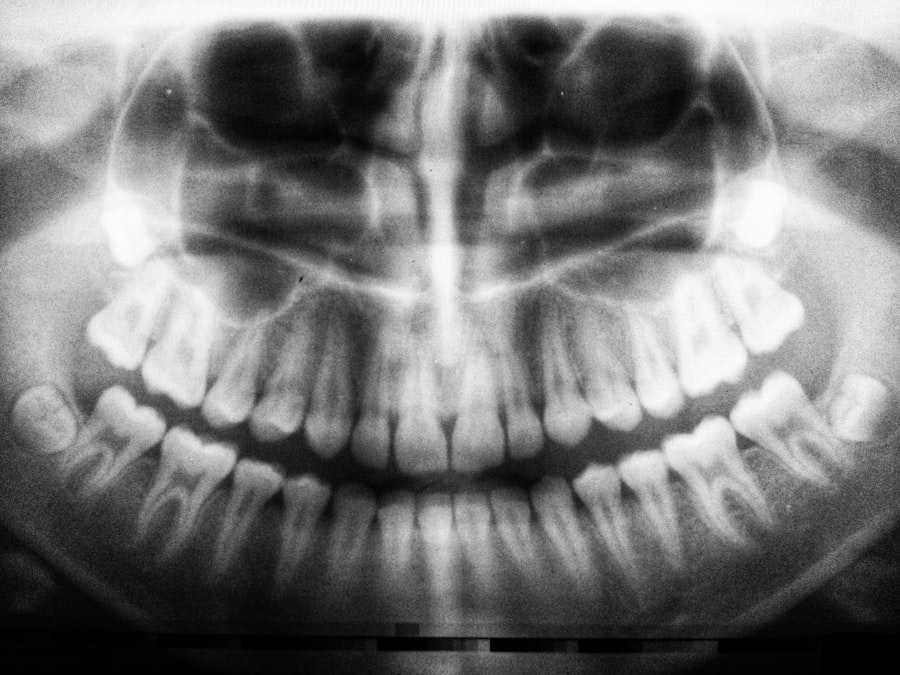
A broken or chipped tooth can be painful and may require immediate attention from a dentist. If you have a broken or chipped tooth, follow these immediate actions:
– Rinse your mouth with warm saltwater to clean the area.
– Apply a cold compress to reduce swelling.
– If there are any sharp edges, cover them with dental wax or sugarless gum to prevent further injury.
– Avoid chewing on the affected side of your mouth.
– Seek professional dental care as soon as possible.
Treatment options for broken or chipped teeth depend on the severity of the damage. Minor chips or cracks may be repaired with dental bonding or veneers. More severe damage may require a dental crown or root canal treatment.
Coping with a Knocked-Out Tooth
A knocked-out tooth is a dental emergency that requires immediate attention. If a tooth is knocked out completely, follow these immediate actions:
– Handle the tooth carefully by the crown (the part that is visible in the mouth) and avoid touching the root.
– Rinse the tooth gently with water, but do not scrub or remove any tissue fragments.
– If possible, try to reinsert the tooth into its socket and hold it in place by biting down on a clean cloth or gauze pad.
– If reinsertion is not possible, place the tooth in a container of milk or saliva to keep it moist.
– Seek immediate dental attention.
Time is of the essence when dealing with a knocked-out tooth. The chances of saving the tooth decrease significantly after one hour, so it is important to seek professional dental care as soon as possible.
Treating a Toothache at Home
Toothaches can be extremely painful and can interfere with daily activities. While it is important to seek professional dental care for toothaches, there are some home remedies that can provide temporary relief. Some home remedies for toothaches include:
– Rinsing your mouth with warm saltwater to reduce inflammation.
– Applying a cold compress to the affected area to numb the pain.
– Taking over-the-counter pain relievers such as ibuprofen.
– Using clove oil or a clove paste to numb the area.
It is important to note that these home remedies provide temporary relief and should not replace professional dental care. If you have a toothache that persists for more than a day or is accompanied by swelling or fever, it is important to seek dental attention.
Managing Bleeding Gums or Tongue
Bleeding gums or tongue can be caused by various factors such as gum disease, trauma, or biting down on hard objects. To manage bleeding gums or tongue, follow these steps:
– Rinse your mouth with warm saltwater to clean the area and reduce inflammation.
– Apply gentle pressure with a clean cloth or gauze pad to stop the bleeding.
– If the bleeding persists or is accompanied by severe pain, seek professional dental care.
It is important to address the underlying cause of bleeding gums or tongue to prevent further complications. Regular dental check-ups and good oral hygiene practices can help prevent gum disease and reduce the risk of bleeding gums.
Handling a Lost Filling or Crown
A lost filling or crown can be uncomfortable and may require immediate attention from a dentist. If you have a lost filling or crown, follow these immediate actions:
– Rinse your mouth with warm saltwater to clean the area.
– Apply dental wax or sugarless gum to cover the exposed tooth surface.
– Avoid chewing on the affected side of your mouth.
– Seek professional dental care as soon as possible.
Treatment options for lost fillings or crowns depend on the extent of the damage. Your dentist may be able to replace the filling or crown, or may recommend a different treatment option based on your specific situation.
Knowing When to Call an Emergency Dentist
There are certain situations that require immediate dental attention. Some examples include:
– Severe toothache that persists for more than a day.
– Swelling of the gums or face.
– Bleeding that does not stop after applying pressure for 10 minutes.
– A knocked-out tooth.
– A broken tooth with sharp edges that are causing pain or injury.
– Signs of infection such as fever, foul taste or odor in the mouth, or swelling.
If you experience any of these situations, it is important to call an emergency dentist as soon as possible. They will be able to provide appropriate treatment and alleviate your pain or discomfort.
To find an emergency dentist, you can start by calling your regular dentist and asking for their after-hours contact information. If they are not available, you can search online for emergency dental services in your area or call a local hospital for recommendations.
Being prepared for dental emergencies is of utmost importance as it can help alleviate pain, prevent further damage, and potentially save a tooth. In this article, we discussed common dental emergencies, how to prepare an emergency dental kit, steps to take in case of a dental emergency, recognizing signs of infection, dealing with a broken or chipped tooth, coping with a knocked-out tooth, treating a toothache at home, managing bleeding gums or tongue, handling a lost filling or crown, knowing when to call an emergency dentist, and the importance of being prepared for dental emergencies.
By understanding common dental emergencies and knowing how to handle them, you can be better prepared to take immediate action and seek professional dental care when necessary. Remember to stay calm and composed during a dental emergency and seek immediate treatment for any signs of infection or severe pain. Being prepared can make all the difference in the outcome of a dental emergency.
FAQs
What is a dental emergency?
A dental emergency is any situation that requires immediate attention from a dentist to save a tooth, stop bleeding, or alleviate severe pain.
What are some common dental emergencies?
Some common dental emergencies include a knocked-out tooth, a cracked or broken tooth, severe toothache, bleeding gums, and a lost filling or crown.
What should I do if I have a dental emergency?
If you have a dental emergency, you should contact your dentist immediately. If it is after hours, you can call the emergency number provided by your dentist or go to the nearest emergency room.
How can I prevent dental emergencies?
You can prevent dental emergencies by practicing good oral hygiene, wearing a mouthguard during sports activities, avoiding hard and sticky foods, and visiting your dentist regularly for check-ups and cleanings.
What should I do if I have a knocked-out tooth?
If you have a knocked-out tooth, you should rinse it with water, place it back in the socket if possible, or store it in milk or saliva until you can see a dentist. Time is of the essence, so it is important to act quickly.
What should I do if I have a severe toothache?
If you have a severe toothache, you should rinse your mouth with warm water, floss to remove any food particles, and take over-the-counter pain medication. You should also see a dentist as soon as possible to determine the cause of the pain and receive appropriate treatment.
Can I go to the emergency room for a dental emergency?
While the emergency room can provide temporary relief for dental emergencies, it is not equipped to provide long-term dental care. It is important to see a dentist as soon as possible for proper treatment.