
Maintaining good oral health is essential for overall well-being. Your teeth play a crucial role in your ability to eat, speak, and smile with confidence. However, many people overlook the impact that drinks can have on their teeth. From soda and sports drinks to coffee and wine, the beverages we consume can have detrimental effects on our oral health.
Key Takeaways
- Drinks can have a significant impact on the health of your teeth.
- Soda and sports drinks are among the top offenders due to their high sugar content.
- Citrus juices and wine are acidic and can erode tooth enamel.
- Energy drinks and sweetened tea are sugary and can lead to tooth decay.
- Coffee and tea can stain teeth, but drinking them in moderation is unlikely to cause significant damage.
The Top Offenders: Soda and Sports Drinks
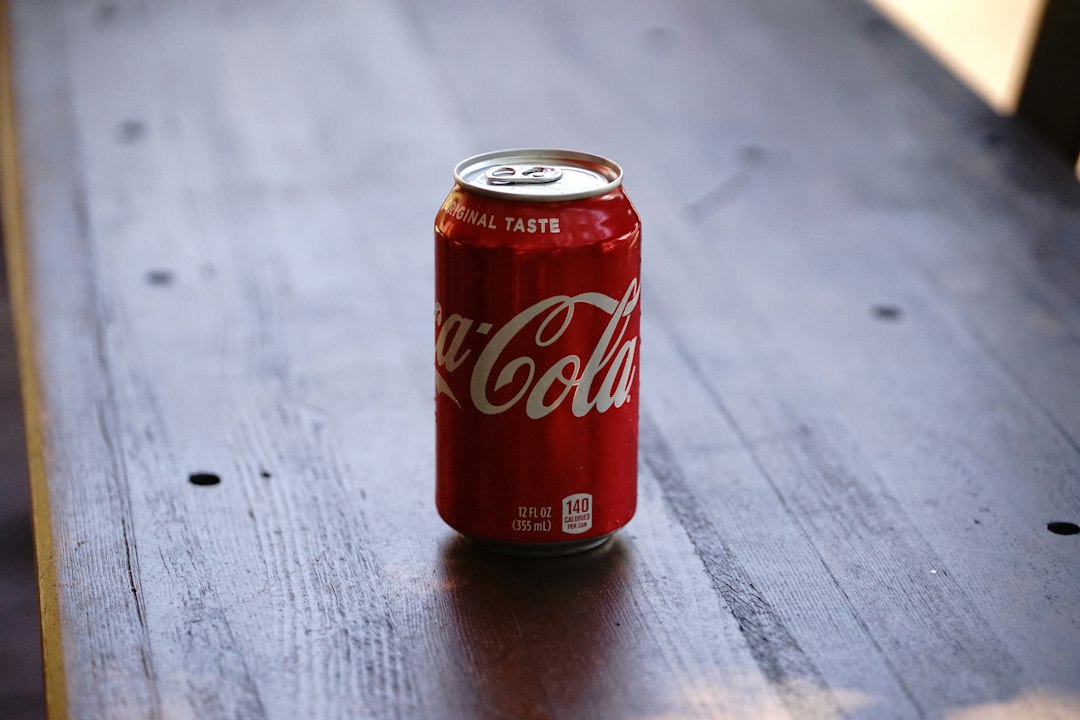
Soda and sports drinks are some of the biggest culprits when it comes to damaging your teeth. These beverages are loaded with sugar, which provides fuel for harmful bacteria in your mouth. When these bacteria feed on sugar, they produce acids that attack the enamel, the protective outer layer of your teeth.
In addition to their high sugar content, soda and sports drinks are often carbonated. The carbonation process involves adding carbon dioxide to create bubbles, which gives these drinks their fizziness. However, the carbonation process also increases the acidity of these beverages, further eroding tooth enamel.
The combination of high sugar content and acidity in soda and sports drinks puts you at a higher risk for enamel erosion and tooth decay. Enamel erosion occurs when the outer layer of your teeth wears away, leaving them vulnerable to cavities and sensitivity.
Acidic Drinks: Citrus Juices and Wine
Citrus juices and wine are known for their acidic nature. While they may be refreshing and enjoyable to consume, they can wreak havoc on your teeth. The high acidity levels in these drinks can erode tooth enamel over time.
When you consume acidic drinks like citrus juices or wine, the acid attacks the enamel, weakening it and making it more susceptible to damage. This can lead to tooth sensitivity, as the underlying dentin layer becomes exposed.
Additionally, acidic drinks can also stain your teeth. The acid in these beverages can etch into the enamel, creating rough surfaces that are more prone to picking up stains from other foods and drinks.
Sugary Drinks: Energy Drinks and Sweetened Tea
Energy drinks and sweetened tea are popular choices for many people, but they come with a high sugar content that can harm your teeth. These drinks often contain added sugars, which provide a breeding ground for bacteria in your mouth.
When you consume sugary drinks, the bacteria in your mouth feed on the sugar and produce acids as a byproduct. These acids attack the enamel, leading to tooth decay and gum disease. Over time, this can result in cavities, gum inflammation, and even tooth loss.
It’s important to note that even “healthy” drinks like fruit juices can be high in sugar. While natural sugars may be present in fruit juices, they can still contribute to tooth decay if consumed in excess.
The Effects of Coffee and Tea on Your Teeth
Coffee and tea are beloved beverages enjoyed by millions of people worldwide. However, they can have negative effects on your teeth if consumed excessively or without proper oral care.
One of the main concerns with coffee and tea is their staining effects. Both beverages contain compounds called tannins, which can adhere to the enamel and cause discoloration over time. This can lead to yellowing or darkening of the teeth, affecting your smile aesthetics.
In addition to staining, coffee and tea can also contribute to enamel erosion and tooth sensitivity. The acidity in these drinks can wear away the protective enamel layer, making your teeth more vulnerable to damage and sensitivity.
However, it’s important to note that drinking coffee and tea in moderation can have some benefits for your oral health. Both beverages contain polyphenols, which are antioxidants that can help reduce inflammation and fight against harmful bacteria in the mouth. Just be sure to practice good oral hygiene habits and limit your consumption to minimize any potential negative effects.
Alcoholic Beverages: The Hidden Risks to Your Oral Health

Alcoholic beverages can have hidden risks to your oral health. Alcohol itself is a drying agent, which means it can reduce saliva production in your mouth. Saliva plays a crucial role in maintaining oral health as it helps wash away food particles, neutralize acids, and prevent tooth decay.
When your mouth becomes dry due to alcohol consumption, it creates an ideal environment for bacteria to thrive. This can lead to an increased risk of tooth decay and gum disease. Dry mouth can also cause bad breath and discomfort.
Furthermore, alcoholic beverages are often consumed with mixers that are high in sugar or acidity, such as soda or citrus juices. This combination can further increase the risk of enamel erosion and tooth decay.
It’s important to consume alcoholic beverages in moderation and practice good oral hygiene habits to minimize the potential negative effects on your teeth and gums.
How to Minimize the Damage of Harmful Drinks
While it’s best to avoid or limit the consumption of harmful drinks, there are steps you can take to minimize their impact on your teeth.
One tip is to drink through a straw when consuming acidic or sugary beverages. This helps reduce the contact between the drink and your teeth, minimizing the exposure to harmful substances.
Rinsing your mouth with water after consuming these drinks can also help wash away any residue and neutralize acids. Chewing sugar-free gum stimulates saliva production, which can help neutralize acids and wash away food particles.
Using fluoride toothpaste and regularly visiting your dentist for check-ups and cleanings are also essential for maintaining good oral health. Fluoride helps strengthen tooth enamel and protect against decay.
The Importance of Drinking Water for Your Teeth
Water is often overlooked when it comes to oral health, but it plays a crucial role in maintaining healthy teeth. Drinking water throughout the day helps wash away food particles and bacteria, preventing plaque buildup and tooth decay.
Water also promotes saliva production, which is essential for maintaining a healthy oral environment. Saliva helps neutralize acids, remineralize teeth, and wash away harmful bacteria. It also helps prevent dry mouth, which can lead to tooth decay and bad breath.
Dehydration can have negative effects on your oral health. When you’re dehydrated, your body produces less saliva, leaving your mouth dry and more susceptible to tooth decay and gum disease. It’s important to stay hydrated by drinking water regularly throughout the day.
The Role of Diet in Maintaining Healthy Teeth
Maintaining a balanced diet is crucial for good oral health. A diet high in sugar and acid can contribute to tooth decay and gum disease. On the other hand, a diet rich in fruits and vegetables can help promote healthy teeth and gums.
Fruits and vegetables are not only packed with essential vitamins and minerals, but they also contain fiber, which helps stimulate saliva production and promote good oral health. Crunchy fruits and vegetables like apples and carrots can also help clean your teeth as you chew.
It’s important to limit your consumption of sugary and acidic foods and drinks, as they can contribute to tooth decay. Instead, opt for healthier alternatives like water, unsweetened tea, or milk.
Protecting Your Teeth from Harmful Drinks
In conclusion, the drinks we consume can have a significant impact on our oral health. From soda and sports drinks to coffee and wine, it’s important to be mindful of the beverages we choose to consume.
High sugar content, acidity, carbonation, and staining effects are some of the common risks associated with various drinks. However, by practicing moderation, maintaining good oral hygiene habits, and making smart choices about what we drink, we can protect our teeth from harm.
Remember to drink water regularly throughout the day to promote saliva production and prevent dry mouth. A balanced diet that includes fruits and vegetables can also contribute to healthy teeth and gums.
By being aware of the potential risks and taking proactive steps to minimize them, you can maintain a healthy smile and enjoy your favorite beverages in moderation.
If you’re concerned about the impact of drinks on your dental health, you may want to check out this informative article on “Drinks that Harm Your Teeth and How to Minimize the Damage.” It provides valuable insights into the beverages that can negatively affect your teeth and offers practical tips on how to minimize the damage. To learn more about maintaining your oral health, you can also explore other helpful resources on Smiles at Southgate’s website, such as their comprehensive dental care services, children’s dentistry, and cosmetic treatments. Don’t forget to take a look at their referral program and exciting contests as well!
FAQs
What are some drinks that harm your teeth?
Some drinks that harm your teeth include soda, sports drinks, energy drinks, fruit juice, and alcohol.
How do these drinks harm your teeth?
These drinks harm your teeth by eroding the enamel, causing tooth decay, and staining the teeth.
What are some ways to minimize the damage caused by these drinks?
Some ways to minimize the damage caused by these drinks include drinking them in moderation, using a straw to minimize contact with teeth, rinsing your mouth with water after drinking, and brushing your teeth regularly.
What are some alternative drinks that are better for your teeth?
Some alternative drinks that are better for your teeth include water, milk, and unsweetened tea.
How does sugar-free soda affect your teeth?
Sugar-free soda still contains acid that can erode the enamel and cause tooth decay, so it is still harmful to your teeth.
How does alcohol affect your teeth?
Alcohol can cause dry mouth, which can lead to an increase in bacteria and plaque buildup, ultimately leading to tooth decay and gum disease.