
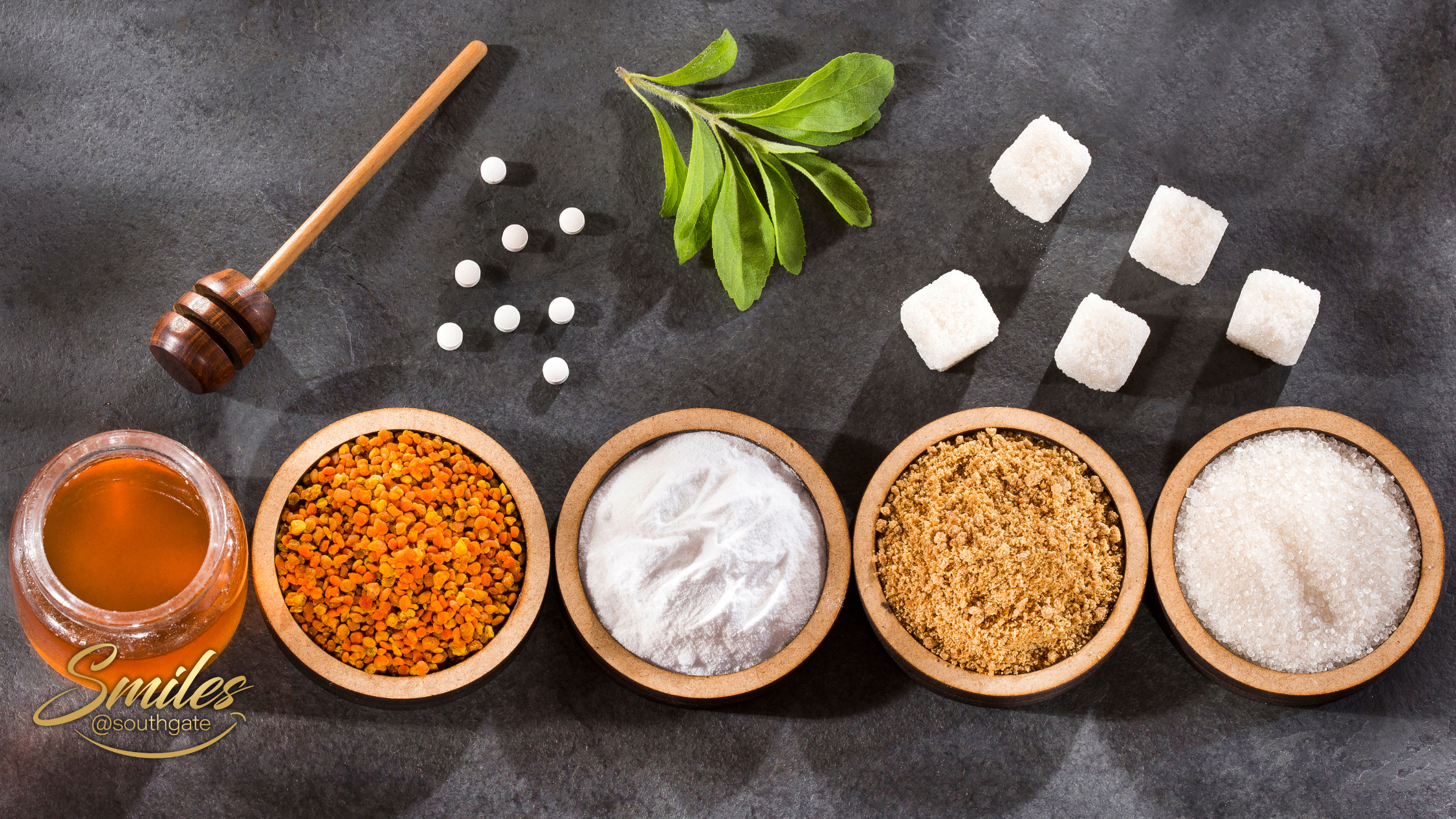
Over recent years, sugar substitutes have gained popularity as a way to satisfy your sweet tooth without the drawbacks of traditional sugar. However, it’s vital to consider how these alternatives may affect your dental health.
While some substitutes like xylitol can help reduce the risk of cavities, others may still contribute to tooth erosion and other dental issues. In this post, you’ll discover the benefits and potential risks associated with sugar substitutes, helping you make informed choices for your oral care.
Key Takeaways:
- Sugar substitutes can significantly reduce the risk of cavities as they do not ferment in the mouth like regular sugars, thus promoting better oral health.
- Some sugar substitutes, like xylitol, have been shown to even inhibit the growth of cavity-causing bacteria, further enhancing their dental benefits.
- However, excessive consumption of certain sugar substitutes may lead to gastrointestinal discomfort, so moderation is advised for overall well-being.
Understanding Sugar Substitutes
Before you explore the world of sugar substitutes, it’s important to grasp what they are. Sugar substitutes refer to a variety of ingredients that provide sweetness but with fewer calories or a lower glycemic index than traditional sugar.
These alternatives can vary in origin, taste, and health implications, making it necessary for you to choose wisely based on your dietary needs.
Types of Sugar Substitutes
At a glance, here are some common types of sugar substitutes:
| Natural Sweeteners | Artificial Sweeteners |
| Stevia | Aspartame |
| Honey | Sucralose |
| Agave Nectar | Saccharin |
| Sugar Alcohols | Neotame |
Knowing the different types of sugar substitutes can help you make informed choices that benefit your health and satisfy your cravings.
Common Usage in Foods and Beverages
Around you, sugar substitutes are increasingly found in a wide variety of foods and beverages, often labeled as “sugar-free” or “low-calorie.” You might encounter them in products like soft drinks, candies, baked goods, and even yogurt.
Substitutes for sugar are highly popular in the food industry because they allow manufacturers to create products that are lower in calories and often free from the adverse effects associated with excessive sugar consumption. For you, this means you can enjoy sweet flavors without drastically impacting your dental health or caloric intake.
However, it’s important to note that while some substitutes, like stevia, carry positive health effects, others may cause reactions or dental issues in certain individuals. Pay attention to packaging and ingredient lists to better understand what you are consuming.
Sugar Substitutes and Dental Caries
Some sugar substitutes have been scrutinized for their impact on dental health, particularly concerning dental caries. While traditional sugars can lead to tooth decay by feeding harmful bacteria, many sugar substitutes do not promote caries in the same way.
This can offer you an effective way to enjoy sweet flavors while minimizing the risk of cavities.
Mechanism of Action
Around the world, sugar substitutes act differently in your mouth compared to regular sugars. They are often not fermented by bacteria that cause tooth decay, meaning they do not produce the acids that harm tooth enamel. This unique property allows you to indulge in sweetness without the associated risks that come with consuming sugar.
Comparative Studies with Sugar
Studies reveal significant differences in the effects of sugar substitutes versus traditional sugar on dental health. The following table offers an overview:
| Aspect | Sugar Substitutes |
| Cavity Promotion | Low to None |
| Acid Production | Minimal |
| Dental Plaque Formation | Decreased |
Also, comprehensive research indicates that sugar substitutes, such as xylitol and erythritol, are particularly effective at preventing dental caries. Your choice between traditional sugar and these substitutes may determine the level of acids produced in your mouth and the likelihood of plaque formation.
With the right information, you can make informed decisions about your dietary choices that significantly affect your dental health.
The Role of pH Levels
Understanding the role of pH levels in your mouth is vital for maintaining optimal dental health. The pH of your saliva can significantly influence the health of your teeth, as a more acidic environment can lead to enamel erosion.
Products with sugar substitutes may have varying effects on the acidity of your oral environment, impacting your overall dental health.
Impact of Acidity on Oral Health
The acidity in your mouth plays a vital role in your oral health. When the pH level drops below neutral, it can create an environment that fosters tooth decay and gum disease.
Acidic foods and beverages, combined with poor oral hygiene, may accelerate enamel erosion and increase the risk of cavities. Therefore, it is vital to monitor acidity to preserve dental integrity.
Sugar Substitutes and pH Neutrality
Before incorporating sugar substitutes into your diet, it’s important to understand their impact on pH levels. Some sugar substitutes help maintain a more neutral pH in your mouth, reducing the likelihood of acid-induced enamel damage.
If used wisely, this shift may positively contribute to your oral health.
Sugar substitutes that promote pH neutrality can greatly benefit oral health. Choosing products that help maintain a balanced pH can mitigate the harmful effects of acidity in the mouth.
For instance, certain sugar alternatives like xylitol can inhibit the growth of harmful bacteria, contributing to a healthier oral environment. However, not all substitutes are created equal; always consider their acidity levels carefully, as some may negate the dental benefits you seek.
Your choice of sugar substitutes can play a significant role in keeping your teeth and gums healthy.
Effects on Oral Microbiome
Once again, sugar substitutes can profoundly influence your oral microbiome, disrupting the delicate balance of bacteria in your mouth.
While sugar substitutes do not feed cavity-causing bacteria, more research is needed to determine their long-term effects on the balance of the oral microbiome. Understanding these effects is vital for maintaining optimal dental health.
Beneficial vs. Harmful Bacteria
The balance between beneficial and harmful bacteria is necessary for your oral health. Beneficial bacteria help fight off harmful pathogens and contribute positively to your overall well-being.
However, if sugar substitutes favor the growth of harmful bacteria, it could lead to problems such as gum disease and bad breath, which can ultimately impact your dental health.
Long-term Implications for Dental Health
About the long-term implications of sugar substitutes on your dental health, it’s important to consider how they can affect your oral microbiome over time. There is limited evidence on how frequent consumption of sugar substitutes affects the long-term balance of oral bacteria, and more studies are needed to clarify their impact on conditions like gingivitis. It is vital to monitor your intake of sugar substitutes, as their continuous use might lead to a compromised oral microbiome. The alteration of bacteria could accelerate the development of gingivitis and increase your susceptibility to tooth decay.
While seeking to avoid traditional sugars is beneficial, ensuring that you maintain a healthy balance of beneficial bacteria is equally important for securing your long-term dental health. Your oral hygiene routine should adapt to mitigate these risks and support a robust microbiome.
Public Perception and Recommendations
All consumers are becoming increasingly aware of the role sugar substitutes play in their diets, often driven by health concerns and the rising prevalence of dental issues linked to sugar intake. Many people view these substitutes as a healthier alternative, while others express skepticism regarding their long-term effects on dental health.
Education and transparent communication about the benefits and risks of these alternatives can influence public perception and encourage responsible consumption.
Attitudes Toward Sugar Substitutes
Considering the rising dental problems associated with sugar, some people embrace sugar substitutes as a solution, believing they can enjoy sweetness without the associated cavities. However, a significant portion of the population is also wary of artificial ingredients and their safety, advocating for natural alternatives and seeking clarity on the long-term effects of these substitutes on overall health.
Current Dental Guidelines
Dental professionals emphasize moderation and informed choices to help you navigate the world of sugar substitutes. The American Dental Association (ADA) recommends that while some sugar substitutes may not directly contribute to tooth decay, it is important to read labels and understand potential side effects of consumption.
Consulting with your dentist can provide personalized advice to balance your dietary choices with dental health.
This guidance highlights that not all sugar substitutes are equal; some may indeed foster healthier dental environments by reducing acid production from oral bacteria, while others may have negative consequences. Prioritizing oral hygiene and regular dental check-ups will allow you to enjoy the benefits of these substitutes without compromising your dental health.
Being informed will empower you to incorporate sugar substitutes wisely, ensuring they contribute positively to your overall well-being.
Future Research Directions
After examining the current landscape of sugar substitutes and their impact on dental health, it becomes evident that further research is vital. Investigating long-term health effects, consumer behaviors, and the interplay between sugar substitutes and oral microbiomes can provide valuable insights.
Future studies should look into how these substitutes can be better integrated into dental health practices, ensuring that you and your dentist stay informed about the best choices for maintaining your oral hygiene.
Gaps in Current Understanding
Behind sugar substitutes’ promising potential lies a significant lack of knowledge regarding their long-term effects on dental health. Many studies focus on short-term benefits, leaving you without a clear understanding of how these alternatives might influence your oral health over many years.
It’s important to address these knowledge gaps to ensure you make informed decisions about your dental care.
Potential for New Sugar Alternatives
Around the globe, researchers are exploring innovative sugar alternatives that not only satisfy your sweet cravings but also promote better dental health. As these alternatives emerge, they can address concerns such as inhibiting the growth of harmful bacteria and minimizing cavities.
While newer sugar alternatives like stevia and monk fruit extract are gaining popularity, current research is still inconclusive about their direct impact on cavity prevention. These substitutes may even contain anti-cavity properties due to their ability to discourage harmful bacterial growth in your mouth.
With the ongoing research, you might find safer options that satisfy your palate while helping to maintain your oral health, giving you peace of mind about your dietary choices.
Conclusion
Understanding the impact of sugar substitutes on dental health is important for making informed dietary choices. These alternatives can help reduce the risk of cavities and decay, as they often do not contribute to tooth erosion.
However, you should remain aware of potential additives in these products that may affect your oral health. By staying informed and choosing wisely, you can enjoy the benefits of sugar substitutes while maintaining a healthier smile.
If you have questions about sugar substitutes or want personalized advice on protecting your smile, our dental team is here to help. Contact Smiles at Southgate today to schedule a consultation and take the next step toward a healthier, happier smile!