

Recovering from oral surgery can be a challenging process, but understanding what to expect can help make the journey smoother. After the surgery, it is normal to experience some swelling, discomfort, and minor bleeding. It is important to follow the post-operative instructions provided by your oral surgeon to ensure a successful recovery. These instructions may include guidelines for managing pain, eating and drinking, oral hygiene practices, and medication. It is also important to rest and allow your body to heal during the recovery period. Understanding that the recovery process takes time and patience is crucial for a successful outcome.
Furthermore, it is important to be aware of potential complications that may arise during the recovery process. By understanding the signs of complications, such as excessive bleeding, severe pain, or signs of infection, you can seek prompt medical attention if necessary. It is also important to attend all follow-up appointments with your oral surgeon to ensure that your recovery is progressing as expected. By understanding the recovery process and being proactive in your care, you can help ensure a smooth and successful recovery from oral surgery.
Key Takeaways
- Understanding the Recovery Process:
- Rest and follow post-operative instructions for a smooth recovery.
- Be patient and allow your body to heal at its own pace.
- Managing Pain and Discomfort:
- Take prescribed pain medication as directed by your healthcare provider.
- Use ice packs and follow other recommended methods to manage discomfort.
- Eating and Drinking Guidelines:
- Stick to soft foods and avoid hard, crunchy, or spicy foods.
- Stay hydrated by drinking plenty of water and avoiding straws.
- Oral Hygiene Practices:
- Gently brush your teeth and rinse your mouth with salt water as advised.
- Avoid vigorous rinsing or spitting to prevent dislodging blood clots.
- Medication and Follow-Up Appointments:
- Take all prescribed medications and attend follow-up appointments as scheduled.
- Communicate any concerns or changes in your condition to your healthcare provider.
- Recognizing Signs of Complications:
- Watch for excessive bleeding, severe pain, or signs of infection.
- Seek immediate medical attention if you experience any unusual symptoms.
- Long-Term Care and Maintenance:
- Follow a good oral hygiene routine and attend regular dental check-ups.
- Be mindful of any changes in your oral health and seek professional advice when needed.
Managing Pain and Discomfort
Pain and discomfort are common after oral surgery, but there are several strategies to help manage these symptoms. Your oral surgeon may prescribe pain medication to help alleviate any discomfort. It is important to take the medication as directed and not to exceed the recommended dosage. In addition to medication, applying ice packs to the affected area can help reduce swelling and provide relief from pain. It is important to follow the post-operative instructions provided by your oral surgeon for managing pain and discomfort, as they may include specific guidelines for using ice packs and taking pain medication.
Furthermore, it is important to rest and avoid strenuous activities during the initial stages of recovery to minimize discomfort. Eating soft foods and avoiding hot or spicy foods can also help prevent irritation to the surgical site and reduce discomfort. By following these guidelines and being proactive in managing pain and discomfort, you can help ensure a more comfortable recovery from oral surgery.
Eating and Drinking Guidelines
Following oral surgery, it is important to follow specific eating and drinking guidelines to promote healing and minimize discomfort. Your oral surgeon may recommend sticking to a soft food diet for the first few days after surgery to avoid irritating the surgical site. This may include foods such as yogurt, mashed potatoes, smoothies, and soups. It is important to avoid hot or spicy foods, as well as foods that require excessive chewing, as they can cause irritation or discomfort.
In addition to following a soft food diet, it is important to stay hydrated by drinking plenty of water. However, it is important to avoid using straws, as the suction can dislodge blood clots and interfere with the healing process. It is also important to avoid alcohol and carbonated beverages during the initial stages of recovery, as they can cause irritation to the surgical site. By following these eating and drinking guidelines, you can help promote healing and minimize discomfort during the recovery process.
Oral Hygiene Practices
Maintaining good oral hygiene is crucial for a successful recovery from oral surgery. Your oral surgeon may provide specific guidelines for oral hygiene practices following the procedure. This may include using a gentle saltwater rinse to keep the surgical site clean and promote healing. It is important to avoid brushing or flossing near the surgical site until given the green light by your oral surgeon, as this can cause irritation or disrupt the healing process.
Furthermore, it is important to avoid using mouthwash that contains alcohol during the initial stages of recovery, as it can cause irritation to the surgical site. Your oral surgeon may also recommend using a special mouthwash or oral gel to help keep the surgical site clean and promote healing. By following these oral hygiene practices, you can help ensure a smooth and successful recovery from oral surgery.
Medication and Follow-Up Appointments
Following oral surgery, your oral surgeon may prescribe medication to help manage pain and prevent infection. It is important to take any prescribed medication as directed and not to exceed the recommended dosage. Your oral surgeon may also provide specific instructions for when and how to take the medication to ensure optimal results.
In addition to medication, it is important to attend all follow-up appointments with your oral surgeon. These appointments are crucial for monitoring your recovery progress and addressing any concerns or complications that may arise. By attending follow-up appointments, you can ensure that your recovery is progressing as expected and receive any necessary adjustments to your treatment plan.
Recognizing Signs of Complications
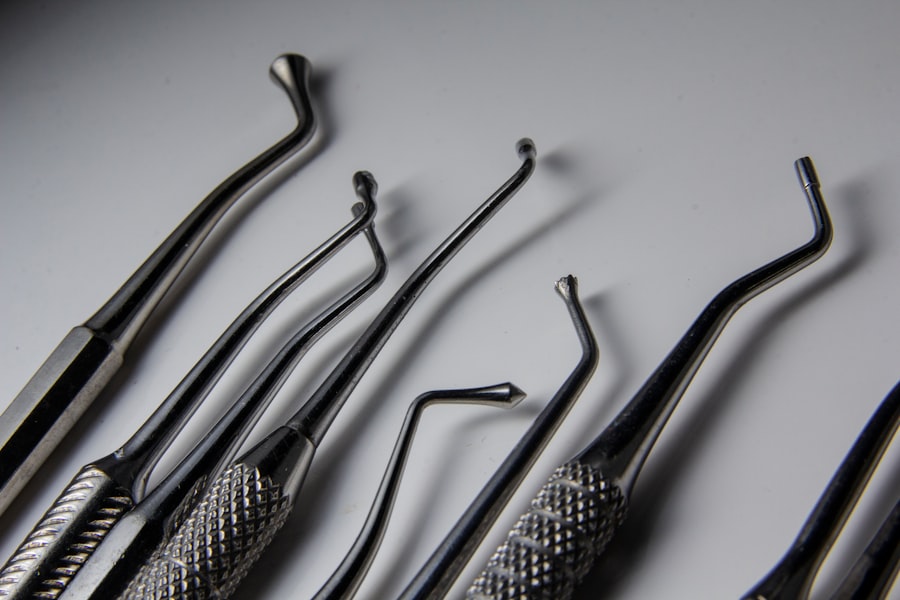
While complications after oral surgery are rare, it is important to be aware of potential signs that may indicate a problem. Excessive bleeding, severe pain, swelling that worsens over time, or signs of infection such as fever or pus around the surgical site are all potential signs of complications that require prompt medical attention. It is important to contact your oral surgeon if you experience any of these symptoms or have any concerns about your recovery.
In addition to physical symptoms, it is also important to be aware of any changes in your overall well-being, such as feeling lightheaded or dizzy. These symptoms may indicate a potential complication that requires medical attention. By recognizing these signs of complications and seeking prompt medical attention when necessary, you can help ensure a successful recovery from oral surgery.
Long-Term Care and Maintenance
After the initial stages of recovery, it is important to continue practicing good oral hygiene and attending regular dental check-ups to maintain the results of your oral surgery. Your oral surgeon may provide specific guidelines for long-term care and maintenance based on the type of procedure you underwent. This may include recommendations for ongoing oral hygiene practices, dietary guidelines, and lifestyle modifications to promote long-term oral health.
In addition to maintaining good oral hygiene, it is important to address any concerns or complications that may arise in the future by seeking prompt medical attention when necessary. By staying proactive in your long-term care and maintenance, you can help ensure lasting results from your oral surgery and enjoy a healthy smile for years to come.
In conclusion, understanding the recovery process, managing pain and discomfort, following eating and drinking guidelines, practicing good oral hygiene, taking medication as directed, recognizing signs of complications, and maintaining long-term care are all crucial aspects of a successful recovery from oral surgery. By following these guidelines and being proactive in your care, you can help ensure a smooth and successful recovery from your procedure. If you have any concerns or questions about your recovery process, it is important to contact your oral surgeon for guidance and support. With proper care and attention, you can achieve optimal results from your oral surgery and enjoy a healthy smile for years to come.
If you’re looking for more information on dental care, be sure to check out the article on cosmetic treatments at Smiles at Southgate. Whether you’re interested in teeth whitening, veneers, or other cosmetic procedures, this article provides valuable insights into improving your smile. And for more general dental care tips and information, visit Smiles at Southgate’s patient resources page. You can also learn more about the practice and their team on their about page.