
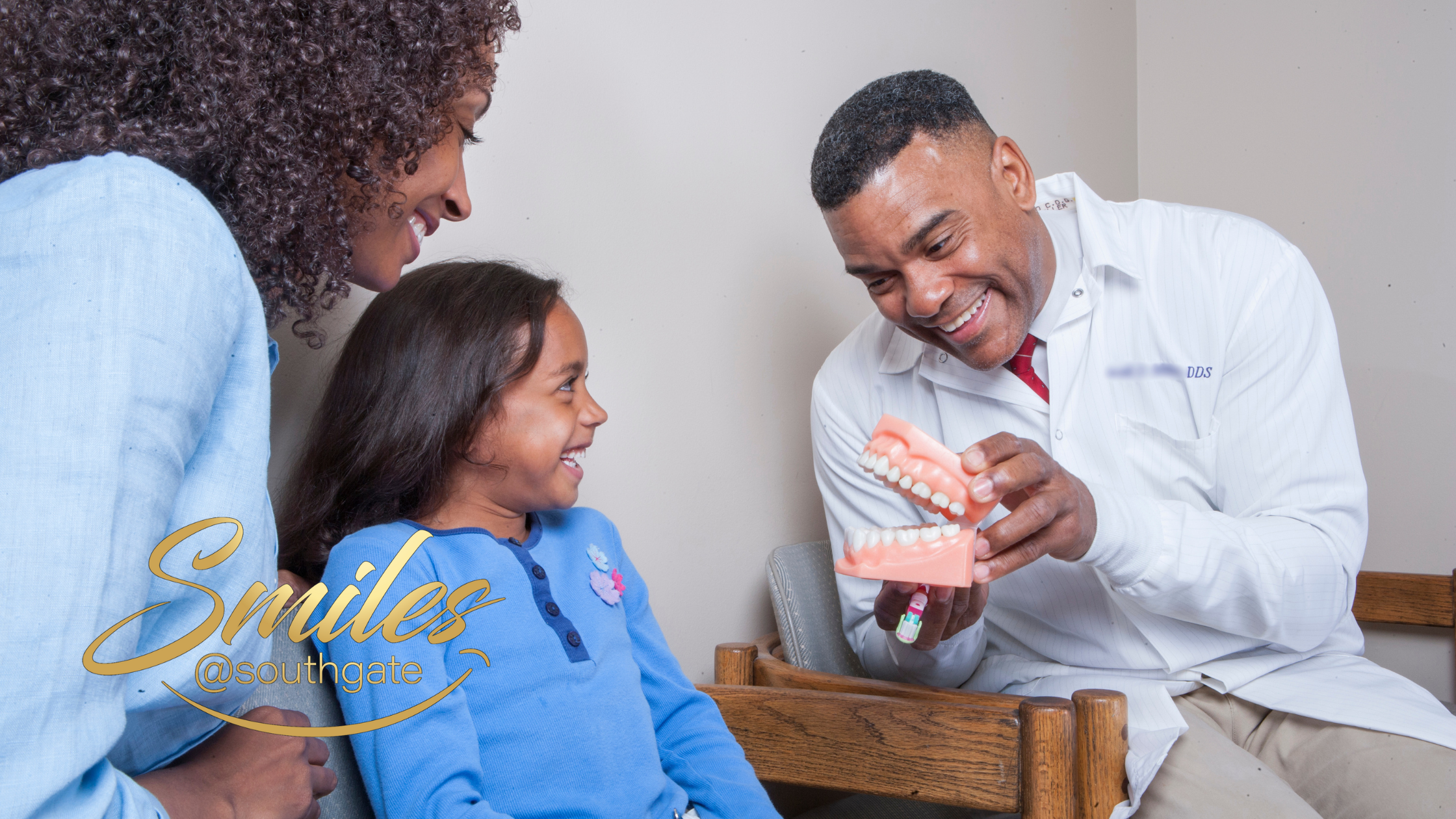
Early detection in orthodontics provides young patients a significant advantage by identifying dental issues before they become more complicated.
By spotting problems early, like misalignments or crowding, orthodontists can intervene with less invasive treatments, resulting in better outcomes.
Early detection ensures healthier teeth and boosts self-confidence by improving appearance. Addressing these concerns early often leads to quicker, more cost-effective treatment, laying the foundation for a beautiful smile that lasts a lifetime.
Key Takeaways:
- Prevention of Complex Issues: Early detection catches potential orthodontic problems before they worsen, reducing the need for more invasive treatments.
- Improved Treatment Outcomes: Early intervention typically leads to more efficient and effective results, enhancing function and appearance.
- Better Timing for Intervention: Early evaluations help orthodontists time treatments optimally, often shortening the overall treatment duration.
Understanding Early Detection in Orthodontics
Early detection in orthodontics refers to identifying potential dental problems as early as age seven. This approach allows orthodontists to monitor the development of a child’s teeth and jaw, ensuring timely interventions if issues arise.
By starting treatment at the right time, patients can avoid more serious complications and enjoy a smoother path to a healthier smile.
Definition and Importance
Orthodontics focuses on correcting misaligned teeth and jaws. Early detection is crucial because it allows orthodontists to address issues before they become severe, resulting in less invasive and more effective treatments.
This proactive approach promotes better long-term oral health.
Common Orthodontic Issues
Some common orthodontic problems include:
- Crowding — Lack of space for teeth to grow properly.
- Overbites/Underbites — Misalignment of the upper and lower jaws.
- Crossbites — Upper teeth bite inside the lower teeth, potentially causing jaw problems.
Early detection helps orthodontists manage these issues before they worsen, leading to more straightforward treatments.
Psychological Benefits of Early Detection
Early orthodontic treatment has positive psychological effects, especially for children and teens. Patients experience improved self-esteem and reduced anxiety about their appearance and oral health after correcting their dental issues.
Boosting Self-Esteem
Children who begin orthodontic treatment early are often more confident in their appearance as their smiles improve. This boost in self-esteem positively impacts their social interactions and overall well-being.
Reducing Anxiety
Knowing that orthodontic issues are being addressed can reduce a child’s anxiety about their teeth. Early detection helps establish a clear plan, which eases fears related to dental visits and procedures.
When treatment is planned early, it minimizes the likelihood of complications that could cause stress. This proactive approach fosters a positive relationship with dental care, helping children feel more at ease during their orthodontic journey.
Physical Health Advantages
Early detection improves appearance and supports overall physical health. Addressing dental issues early ensures better oral function, which can help with tasks like eating, speaking, and overall well-being.
Prevention of Greater Dental Problems
Identifying orthodontic issues early can prevent more serious problems like cavities, gum disease, or jaw pain, which often result from untreated misalignment or crowding. Early treatment can also make it easier to maintain good oral hygiene.
Enhanced Oral Function
Properly aligned teeth improve a person’s ability to chew and speak, which enhances their overall quality of life. Early orthodontic intervention ensures better oral function and reduces the risk of future dental complications.
When teeth are properly aligned, patients experience less strain on their jaws and fewer dental issues, such as worn-down teeth or jaw discomfort. These improvements contribute to better overall health and well-being.
Financial Implications
Early detection in orthodontics can save families money by reducing the need for more complex treatments later on.
Cost-Efficiency of Early Treatment
Early treatment often involves less complicated and shorter, more affordable procedures. By addressing issues early, patients may avoid more expensive, advanced treatment.
Reducing Future Treatment Expenses
By catching and correcting issues early, families can avoid costly and invasive treatments that might be necessary if problems are left unaddressed. Early intervention ensures both financial savings and better oral health.
When orthodontic problems are addressed early, they often require fewer additional treatments. This proactive approach saves time and money, providing families with a cost-effective way to maintain good dental health.
The Role of Dentists and Orthodontists
Dentists and orthodontists play key roles in the early detection of dental issues.
Regular check-ups with a general dentist can catch problems early, leading to a referral to an orthodontist for specialized care.
Screening and Assessment Techniques
Orthodontists use visual exams, X-rays, and digital imaging to identify early signs of misalignment or crowding. These assessments help professionals develop personalized treatment plans tailored to each patient’s needs.
Importance of Regular Check-Ups
Routine dental check-ups are crucial for early detection. By regularly monitoring a child’s oral development, dental professionals can catch potential issues early, leading to more effective and timely interventions.
Frequent check-ups ensure that any developing orthodontic issues are addressed promptly. Staying on top of dental health through routine visits will help patients avoid having more extensive treatments.
Early Treatment Options
Early treatment options are available to address specific dental issues during a child’s growth. These interventions guide the proper tooth and bone development, which can help prevent more serious problems.
Final Words
In conclusion, early detection in orthodontics offers numerous benefits for young patients. Catching on to dental issues early will help children receive timely and effective treatment, leading to better oral health, improved appearance, and increased self-esteem.
Early treatment often requires less time and money, making it a smart investment in a child’s future smile. Proactive orthodontic assessments set the stage for a lifetime of healthy, beautiful teeth.
Contact us today to schedule your child’s next dental check-up!