
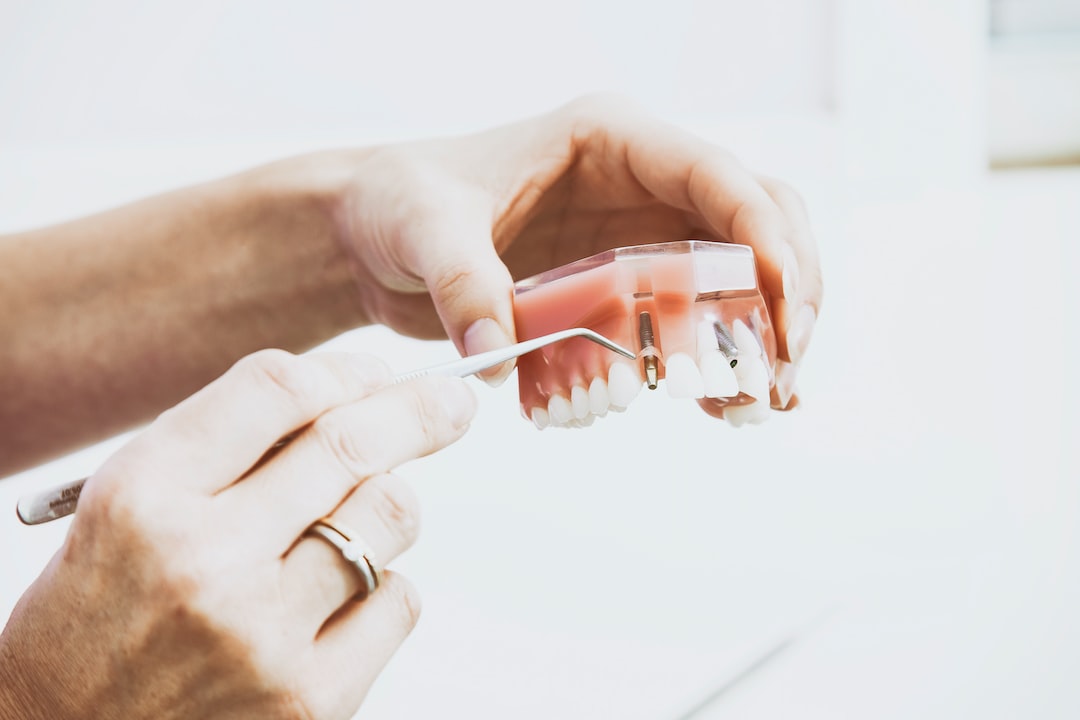
Bone grafting is a common procedure in dentistry that involves the transplantation or placement of bone tissue to repair and regenerate bone in the jaw. This procedure is often necessary in cases where there is insufficient bone to support dental implants or to treat conditions such as periodontal disease or jaw reconstruction. Bone grafting plays a crucial role in improving oral health, enhancing the success rate of dental implants, and restoring the functionality and aesthetics of teeth.
Key Takeaways
- Bone grafting is a common procedure in dentistry that involves adding bone to the jaw to support dental implants or treat periodontal disease.
- There are different types of bone grafting procedures, including autografts, allografts, and xenografts, each with their own benefits and risks.
- Bone grafting can improve oral health by providing a stable foundation for dental implants, preventing bone loss, and promoting tissue regeneration.
- Bone grafting can also be used to treat periodontal disease by restoring lost bone and tissue and reducing the risk of tooth loss.
- While bone grafting is generally safe, there are some risks and complications to be aware of, including infection, rejection, and nerve damage. Recovery and aftercare are important for successful outcomes. The cost of bone grafting varies depending on the type of procedure and insurance coverage.
Understanding Bone Grafting in Dentistry
Bone grafting is a surgical procedure that involves the transplantation or placement of bone tissue to stimulate the growth of new bone. It is commonly used in dentistry to repair and regenerate bone in the jaw. The procedure can be performed using various types of bone grafts, including autografts, allografts, xenografts, and synthetic bone grafts.
There are several reasons why bone grafting may be necessary in dentistry. One common reason is to provide a stable foundation for dental implants. Dental implants are artificial tooth roots that are surgically placed into the jawbone to support replacement teeth. In order for dental implants to be successful, there must be sufficient bone to support them. If there is not enough bone, a bone graft may be necessary to build up the jawbone and provide a stable foundation for the implants.
Types of Bone Grafting Procedures
There are several types of bone grafting procedures that can be used in dentistry:
1. Autografts: Autografts involve taking bone tissue from one part of the patient’s body, such as the hip or chin, and transplanting it to the jawbone. Autografts are considered the gold standard for bone grafting because they have a high success rate and are less likely to be rejected by the body.
2. Allografts: Allografts involve using bone tissue from a donor, typically from a cadaver. The donor bone is thoroughly processed and sterilized to remove any potential contaminants. Allografts are commonly used in bone grafting procedures because they eliminate the need for a second surgical site to harvest bone tissue from the patient.
3. Xenografts: Xenografts involve using bone tissue from an animal, typically a cow or pig. The animal bone is thoroughly processed and sterilized to remove any potential contaminants. Xenografts are commonly used in bone grafting procedures because they provide a scaffold for new bone growth and eventually get replaced by the patient’s own bone.
4. Synthetic bone grafts: Synthetic bone grafts are made from materials such as calcium phosphate or hydroxyapatite. These materials mimic the structure and composition of natural bone and provide a scaffold for new bone growth. Synthetic bone grafts are commonly used in bone grafting procedures because they eliminate the need for harvesting bone tissue from the patient or using donor tissue.
Benefits of Bone Grafting in Dental Implants
Bone grafting plays a crucial role in improving the success rate and stability of dental implants. When there is insufficient bone to support dental implants, a bone graft can be used to build up the jawbone and provide a stable foundation for the implants. This improves the long-term success of the implants and reduces the risk of implant failure.
In addition to improving the success rate of dental implants, bone grafting also helps preserve the structure of the jawbone. When a tooth is lost or extracted, the surrounding bone begins to resorb or shrink over time. This can lead to a sunken appearance in the face and make it difficult to place dental implants in the future. By performing a bone graft at the time of tooth extraction or implant placement, the jawbone can be preserved and maintained, preventing further bone loss.
Furthermore, bone grafting enhances the aesthetics and functionality of teeth. When there is insufficient bone to support dental implants, it can lead to a compromised bite and difficulty in chewing. By performing a bone graft, the jawbone can be built up and restored, allowing for proper alignment of the teeth and improved functionality.
How Bone Grafting Improves Oral Health
Bone grafting plays a crucial role in improving oral health in several ways:
1. Prevention of bone loss: When a tooth is lost or extracted, the surrounding bone begins to resorb or shrink over time. This can lead to a sunken appearance in the face and make it difficult to place dental implants in the future. By performing a bone graft at the time of tooth extraction or implant placement, the jawbone can be preserved and maintained, preventing further bone loss.
2. Restoration of damaged bone: Bone grafting can be used to restore damaged or diseased bone in the jaw. This is particularly important in cases of periodontal disease, where the supporting bone around the teeth becomes damaged or destroyed. By performing a bone graft, the damaged bone can be replaced with healthy bone tissue, promoting healing and preventing further damage.
3. Improved gum health: Bone grafting can also improve gum health by providing a stable foundation for the gums to attach to. When there is insufficient bone to support the gums, they can become loose and recede, leading to gum disease and tooth loss. By performing a bone graft, the gums can be properly supported and maintained, reducing the risk of gum disease and preserving the health of the teeth.
Bone Grafting for Periodontal Disease Treatment
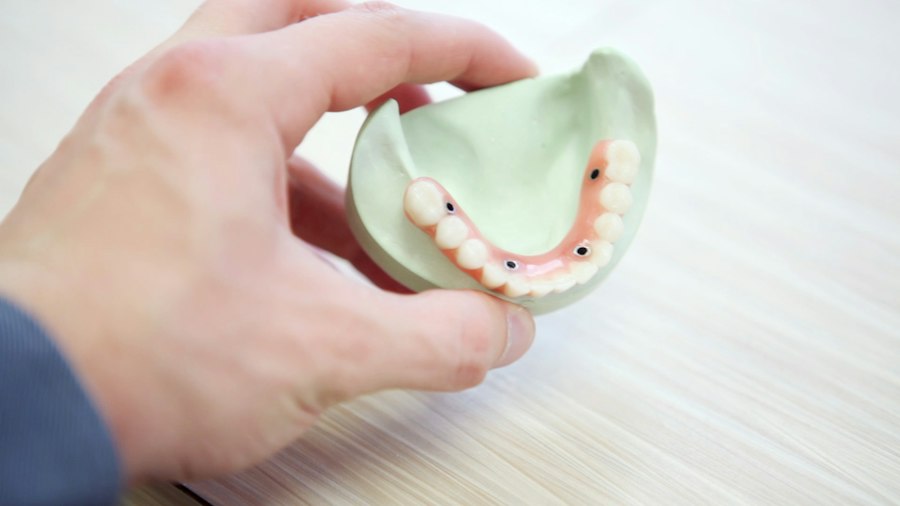
Periodontal disease is a common condition that affects the supporting structures of the teeth, including the gums and jawbone. In severe cases of periodontal disease, the supporting bone around the teeth becomes damaged or destroyed, leading to tooth loss. Bone grafting can be used as part of the treatment for periodontal disease to restore the damaged bone and promote healing.
During a bone grafting procedure for periodontal disease, the diseased or damaged bone is removed and replaced with healthy bone tissue. This helps to stabilize the teeth and prevent further bone loss. The success rate of bone grafting in periodontal disease treatment is high, with studies showing that it can lead to significant improvements in gum health and tooth stability.
Risks and Complications of Bone Grafting
Like any surgical procedure, bone grafting carries some risks and potential complications. These can include infection, bleeding, pain, swelling, and numbness in the surgical area. There is also a risk of graft failure or rejection, although this is rare.
To minimize the risks associated with bone grafting, it is important to choose a skilled and experienced dentist or oral surgeon who specializes in the procedure. They will be able to assess your individual case and determine the most appropriate type of bone graft for your needs. It is also important to follow all pre- and post-operative instructions provided by your dentist or oral surgeon to ensure optimal healing and minimize the risk of complications.
Recovery and Aftercare for Bone Grafting
The recovery period after a bone grafting procedure can vary depending on the individual and the extent of the procedure. In general, it takes several months for the new bone to fully integrate with the existing bone. During this time, it is important to follow all post-operative instructions provided by your dentist or oral surgeon.
After a bone grafting procedure, you may experience some swelling, discomfort, and bruising in the surgical area. Your dentist or oral surgeon may prescribe pain medication or recommend over-the-counter pain relievers to help manage any discomfort. It is also important to eat a soft diet and avoid chewing on the surgical site until it has fully healed.
During the recovery period, it is important to maintain good oral hygiene to prevent infection and promote healing. This includes brushing your teeth gently with a soft-bristled toothbrush, using an antimicrobial mouthwash, and avoiding smoking or using tobacco products.
Bone Grafting for Jaw Reconstruction
Bone grafting can also be used to reconstruct the jaw in cases where there is significant bone loss or deformity. This can occur as a result of trauma, tumor removal, or congenital defects. By performing a bone graft, the jawbone can be rebuilt and restored, improving both the aesthetics and functionality of the jaw.
During a jaw reconstruction procedure, bone tissue is harvested from another part of the patient’s body or obtained from a donor source. The bone graft is then placed in the area of the jaw that requires reconstruction. Over time, the graft will integrate with the existing bone and provide support and stability to the jaw.
The success rate of bone grafting in jaw reconstruction is high, with studies showing that it can lead to significant improvements in jaw function and appearance. However, the success of the procedure depends on several factors, including the patient’s overall health, the extent of the bone loss or deformity, and the skill and experience of the dentist or oral surgeon performing the procedure.
The Role of Bone Grafting in Orthodontic Treatment
Bone grafting can also play a role in orthodontic treatment by providing additional support for tooth movement. In cases where there is insufficient bone to support orthodontic appliances such as braces or aligners, a bone graft can be used to build up the jawbone and provide a stable foundation for tooth movement.
During orthodontic treatment, teeth are gradually moved into their desired positions using braces or aligners. In order for this movement to occur, there must be sufficient bone to support the teeth. If there is not enough bone, a bone graft may be necessary to build up the jawbone and provide the necessary support.
The success rate of bone grafting in orthodontic treatment is high, with studies showing that it can lead to significant improvements in tooth alignment and bite function. However, the success of the procedure depends on several factors, including the patient’s overall health, the extent of the bone loss or deformity, and the skill and experience of the dentist or orthodontist performing the procedure.
Cost of Bone Grafting and Insurance Coverage
The cost of bone grafting can vary depending on several factors, including the type of bone graft used, the extent of the procedure, and the location of the dental practice. On average, bone grafting can cost anywhere from $500 to $3,000 per graft site. If multiple graft sites are required, the cost can increase accordingly.
Insurance coverage for bone grafting varies depending on the individual insurance plan. Some dental insurance plans may cover a portion of the cost of bone grafting if it is deemed medically necessary. It is important to check with your insurance provider to determine what is covered under your plan.
If you do not have dental insurance or if your insurance does not cover bone grafting, there may be other options available to help finance the procedure. Many dental practices offer financing plans or payment options to help make treatment more affordable. It is important to discuss your financial options with your dentist or oral surgeon before undergoing a bone grafting procedure.
In conclusion, bone grafting plays a crucial role in dentistry by providing a stable foundation for dental implants, improving oral health, and enhancing the aesthetics and functionality of teeth. It is a common procedure that involves the transplantation or placement of bone tissue to repair and regenerate bone in the jaw. There are several types of bone grafting procedures that can be used, including autografts, allografts, xenografts, and synthetic bone grafts. While bone grafting carries some risks and potential complications, the success rate of the procedure is high when performed by a skilled and experienced dentist or oral surgeon. Overall, bone grafting is an important tool in the field of dentistry that helps improve the quality of life for many patients.
If you’re interested in learning more about the importance of bone grafting in dental procedures, be sure to check out this informative article from Smiles at Southgate. Bone grafting plays a crucial role in restoring and maintaining oral health, especially when it comes to dental implants. By clicking here, you can gain valuable insights into the benefits of bone grafting and how it can enhance your overall dental experience. Don’t miss out on this opportunity to expand your knowledge and make informed decisions about your oral health.
FAQs
What is bone grafting?
Bone grafting is a surgical procedure that involves transplanting bone tissue to repair or rebuild bones that have been damaged or lost due to injury, disease, or other factors.
Why is bone grafting important in dental procedures?
Bone grafting is important in dental procedures because it helps to restore bone density and volume in the jawbone, which is necessary for successful dental implant placement and other types of dental procedures.
What are the benefits of bone grafting in dental procedures?
The benefits of bone grafting in dental procedures include improved oral health, increased stability and longevity of dental implants, improved facial aesthetics, and improved overall quality of life.
What are the different types of bone grafts used in dental procedures?
The different types of bone grafts used in dental procedures include autografts (bone tissue taken from the patient’s own body), allografts (bone tissue taken from a donor), and synthetic bone grafts (man-made materials that mimic the properties of natural bone).
Is bone grafting a painful procedure?
Bone grafting is typically performed under local anesthesia, so patients should not feel any pain during the procedure. However, some discomfort and swelling may occur after the procedure, which can be managed with pain medication and other treatments.
What is the success rate of bone grafting in dental procedures?
The success rate of bone grafting in dental procedures varies depending on the type of graft used, the patient’s overall health, and other factors. However, studies have shown that the success rate of dental implants placed in grafted bone is generally high, with success rates ranging from 90-95%.