
Dental health is crucial for children as it sets the foundation for their overall well-being. Good oral hygiene habits and regular dental check-ups are essential in maintaining healthy teeth and gums. One aspect of dental health that is often overlooked is the importance of maintaining proper spacing between teeth. This is where space maintainers come into play. Space maintainers are dental devices that help preserve the space left by a lost tooth, ensuring that the permanent tooth has enough room to erupt properly. In this article, we will explore what space maintainers are, why they are important for children’s dental health, and how parents can help their children adjust to wearing them.
Key Takeaways
- Space maintainers are dental devices that help prevent future dental issues by holding space for permanent teeth to grow in.
- Space maintainers should be considered for children who lose baby teeth prematurely or have teeth extracted due to decay or injury.
- Space maintainers work by keeping the surrounding teeth from shifting and closing the gap where the missing tooth was.
- There are different types of space maintainers, including removable and fixed options, and the best type for your child will depend on their specific needs.
- Space maintainers typically need to be worn for several months to a few years, and removal is a simple procedure that can be done by a dentist.
What are space maintainers and why are they important for kids?
Space maintainers are dental appliances that are used to hold the space left by a lost tooth until the permanent tooth erupts. When a baby tooth is lost prematurely due to decay or injury, the surrounding teeth may shift into the empty space, causing misalignment and crowding issues when the permanent tooth tries to come in. Space maintainers prevent this from happening by keeping the adjacent teeth in their proper positions.
These devices are particularly important for children because their jaws and teeth are still developing. If a space is not maintained, it can lead to a variety of dental problems such as overcrowding, impacted teeth, and malocclusion (misalignment of the upper and lower teeth). By using space maintainers, dentists can ensure that there is enough room for permanent teeth to erupt in their correct positions, reducing the need for orthodontic treatment later on.
When should space maintainers be considered for children?
Space maintainers may be necessary in several situations. The most common reason is when a baby tooth is lost prematurely due to decay or trauma. In such cases, a space maintainer can be used to hold the space until the permanent tooth is ready to come in.
Dentists determine if a child needs a space maintainer by evaluating the child’s dental X-rays and examining the mouth. They will consider factors such as the child’s age, the location of the lost tooth, and the stage of development of the permanent tooth. If it is determined that maintaining the space is necessary for proper dental development, a space maintainer will be recommended.
How do space maintainers work to prevent dental issues?
Space maintainers work by keeping the adjacent teeth in their proper positions, preventing them from shifting into the empty space left by a lost tooth. By maintaining the space, they ensure that there is enough room for the permanent tooth to erupt in its correct position.
By preventing misalignment and overcrowding, space maintainers help reduce the need for orthodontic treatment later on. They also help preserve the child’s bite and jaw alignment, promoting proper chewing and speech development.
What are the different types of space maintainers and which is best for your child?
There are several types of space maintainers available, and the best one for your child will depend on various factors such as their age, the location of the lost tooth, and their oral hygiene habits. The two main types of space maintainers are removable and fixed.
Removable space maintainers are similar to orthodontic retainers and can be taken out for cleaning. They are typically made of acrylic and have artificial teeth attached to them to fill in the gap left by the lost tooth. Removable space maintainers are often recommended for older children who can handle the responsibility of wearing and caring for them properly.
Fixed space maintainers, on the other hand, are cemented or bonded to the adjacent teeth. They can be made of stainless steel or plastic and have a wire loop or band that holds the space open. Fixed space maintainers are usually recommended for younger children who may have difficulty keeping removable appliances in place.
How long do space maintainers need to be worn and what is the process for removal?

The length of time a child needs to wear a space maintainer will vary depending on their individual case. In general, space maintainers are worn until the permanent tooth is ready to erupt. This can range from several months to a few years.
The process for removing a space maintainer is relatively simple. If it is a removable appliance, the child can take it out themselves once the dentist determines that it is no longer needed. If it is a fixed appliance, the dentist will remove it during a regular dental visit. It is important to follow the dentist’s instructions regarding the removal of space maintainers to ensure that it is done safely and at the appropriate time.
What are the potential risks and benefits of space maintainers for children?
As with any dental treatment, there are potential risks and benefits associated with using space maintainers. One potential risk is that the child may experience discomfort or soreness when first wearing the appliance. This is usually temporary and can be managed with over-the-counter pain relievers.
Another risk is that the space maintainer may become loose or break. If this happens, it is important to contact the dentist immediately to have it repaired or replaced. Failure to address this issue promptly can result in the adjacent teeth shifting into the empty space, defeating the purpose of the space maintainer.
The benefits of using space maintainers far outweigh the potential risks. By preserving the space left by a lost tooth, they help prevent misalignment, overcrowding, and other dental issues. They also promote proper dental development and reduce the need for orthodontic treatment later on.
How are space maintainers placed and what is the procedure like?
The procedure for placing space maintainers will depend on whether they are removable or fixed appliances. For removable space maintainers, the dentist will take impressions of the child’s mouth to create a custom-fit appliance. The child will then be instructed on how to insert and remove the appliance properly.
For fixed space maintainers, the dentist will clean and prepare the adjacent teeth. They will then bond or cement the appliance to the teeth using dental cement or a bonding agent. The child may experience some pressure or discomfort during this process, but it should subside shortly after the appliance is in place.
How can parents help their children adjust to wearing space maintainers?
Adjusting to wearing space maintainers can be challenging for some children, especially if they are younger or have never worn any dental appliances before. Here are some tips to help parents make the process easier for their children:
1. Explain the purpose: Talk to your child about why they need to wear a space maintainer and how it will benefit their dental health. Use simple and age-appropriate language to help them understand.
2. Encourage proper hygiene: Teach your child how to clean their space maintainer properly and make it a part of their daily oral hygiene routine. This will help prevent discomfort and keep the appliance in good condition.
3. Offer rewards and incentives: Motivate your child by offering rewards or incentives for wearing their space maintainer as instructed. This can be as simple as stickers or small treats.
4. Be patient and supportive: Understand that it may take some time for your child to adjust to wearing a space maintainer. Be patient with them and offer words of encouragement and support.
How often should children visit the dentist while wearing space maintainers?
Children should continue to visit the dentist regularly while wearing space maintainers. The frequency of these visits will depend on the individual case, but in general, children should have dental check-ups every six months.
During these visits, the dentist will monitor the progress of the space maintainer and ensure that it is functioning properly. They will also check for any signs of discomfort or issues with the appliance. Regular dental check-ups are important in maintaining good oral health and catching any potential problems early on.
What happens if a space maintainer falls out or breaks?
If a space maintainer falls out or breaks, it is important to contact the dentist immediately. The dentist will assess the situation and determine the best course of action. In some cases, the space maintainer can be repaired or replaced. However, if the space maintainer is not addressed promptly, the adjacent teeth may shift into the empty space, undoing the progress made by the appliance.
In conclusion, space maintainers play a crucial role in children’s dental health by preserving the space left by a lost tooth and ensuring that the permanent tooth has enough room to erupt properly. They help prevent misalignment, overcrowding, and other dental issues, reducing the need for orthodontic treatment later on. By understanding the importance of space maintainers and following the dentist’s instructions, parents can help their children maintain good oral health and set them up for a lifetime of healthy smiles.
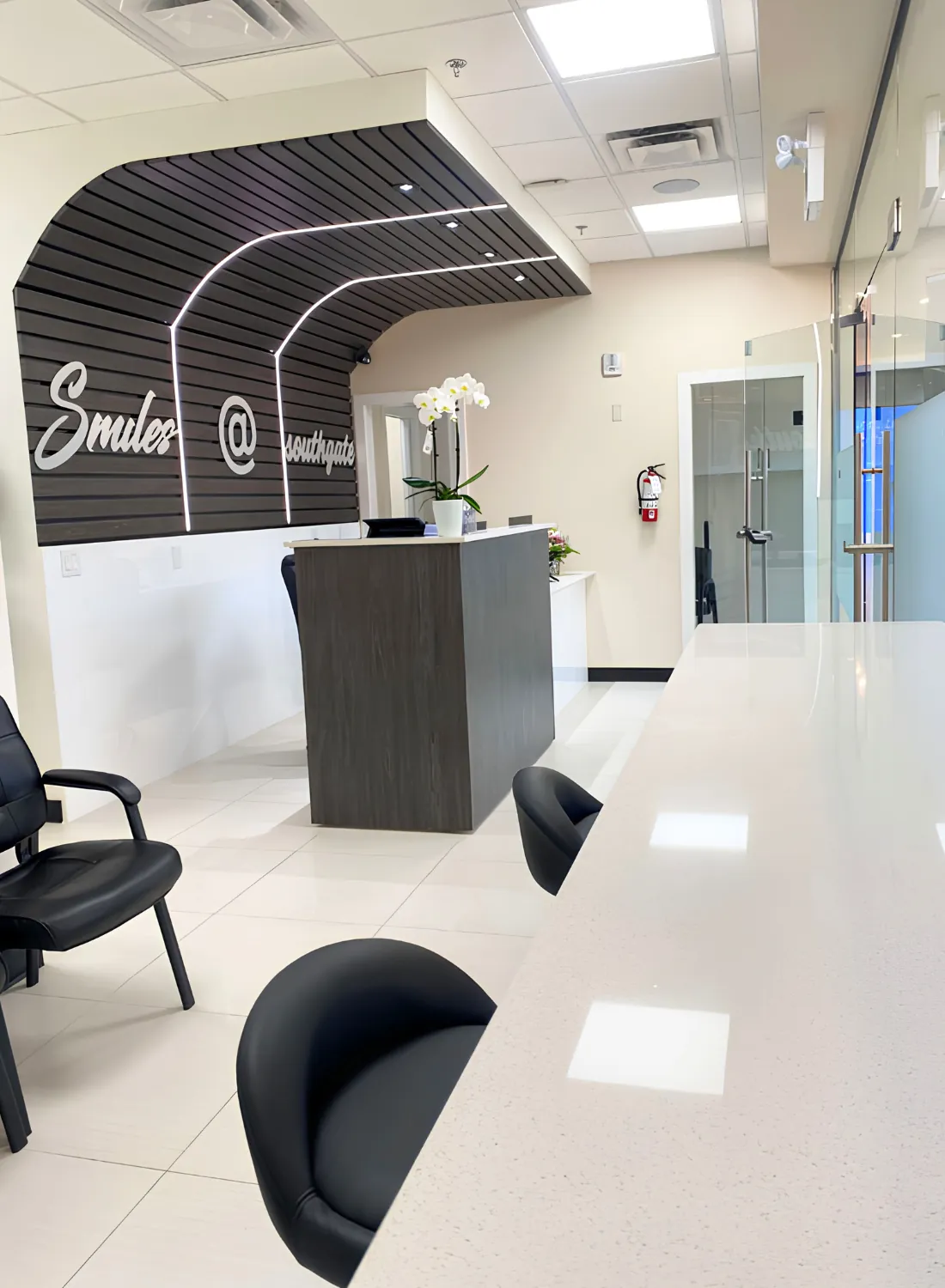
If you’re looking for more information on space maintainers for kids in Edmonton, AB, you may be interested in reading our related article on children’s dentistry services at Smiles at Southgate. This comprehensive dental care clinic offers a range of services specifically tailored to meet the needs of young patients. From routine check-ups to specialized treatments like space maintainers, their team of experienced dentists is dedicated to providing the highest quality care for children’s oral health. To learn more about their services or to book an appointment, visit their website at https://smilesatsouthgate.com/service/childrens-dentistry/.
FAQs
What are space maintainers?
Space maintainers are dental appliances that are used to keep the space between teeth open after a primary tooth has been lost or extracted. They prevent the remaining teeth from shifting into the empty space and causing problems with the bite and alignment of the teeth.
Why are space maintainers important for kids?
Space maintainers are important for kids because they help to preserve the proper alignment of the teeth and prevent future dental problems. If the space between teeth is not maintained, the remaining teeth can shift and cause crowding, misalignment, and other issues that may require more extensive dental treatment.
When should space maintainers be used for kids?
Space maintainers should be used for kids when they lose a primary tooth before the permanent tooth is ready to erupt. This typically occurs between the ages of 6 and 12 years old.
How long do kids need to wear space maintainers?
The length of time that kids need to wear space maintainers varies depending on the individual case. In general, space maintainers are worn until the permanent tooth is ready to erupt and take its place in the mouth.
What are the different types of space maintainers?
There are several different types of space maintainers, including removable space maintainers, fixed space maintainers, and partial dentures. The type of space maintainer that is used will depend on the individual case and the preferences of the dentist and patient.
Are there any risks or side effects associated with space maintainers?
Like any dental appliance, there are some risks and side effects associated with space maintainers. These may include discomfort, irritation, and difficulty speaking or eating. However, these side effects are typically temporary and can be managed with proper care and maintenance of the space maintainer.