
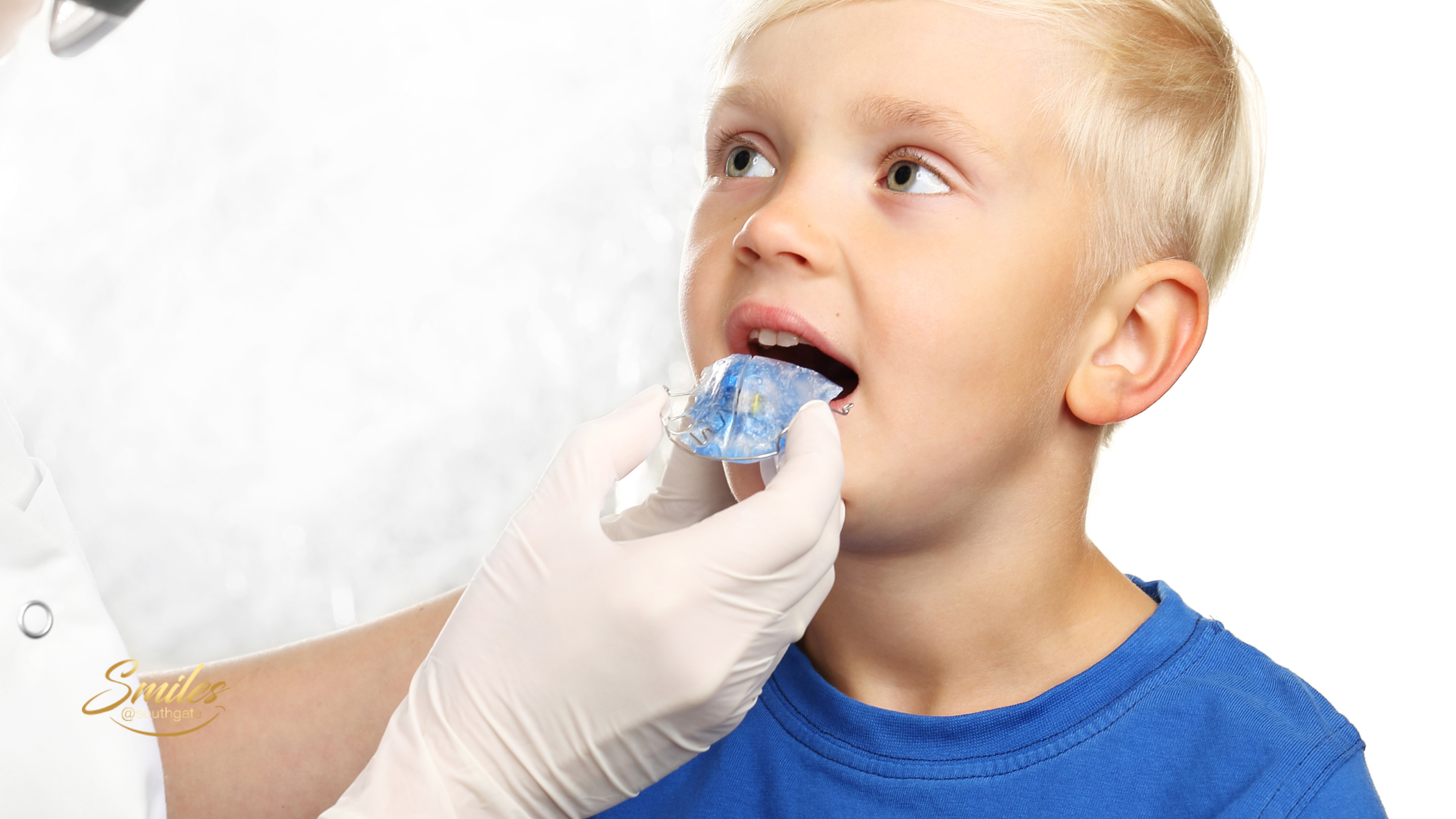
Just as your child’s teeth begin to develop, you may find yourself navigating the world of orthodontics. Phase I orthodontic treatment, typically recommended for children between the ages of 6 and 10, can play a significant role in guiding proper dental and facial growth. In this post, you will learn about the benefits, timing, and potential outcomes of Phase I treatment, equipping you with the knowledge to make informed decisions for your child’s oral health and future smile.
Key Takeaways:
- Early Intervention: Phase I orthodontic treatment can address emerging dental issues in children, often preventing more severe problems in the future.
- Age Factors: The recommended age for starting Phase I treatment typically ranges from 7 to 10 years, when permanent teeth are beginning to erupt.
- Customized Plans: Each child’s orthodontic needs are unique, which means treatment plans are tailored specifically to their dental structure and developmental stage.
Understanding Phase I Orthodontic Treatment
Your understanding of Phase I orthodontic treatment is crucial for making informed decisions about your child’s dental health. This early intervention often occurs between the ages of 6 and 10, focusing on guiding dental and jaw development to prevent more serious issues later on.
Definition and Purpose
At its core, Phase I orthodontic treatment is designed to address bite discrepancies and align the teeth and jaws during critical growth periods. Its primary purpose is to improve function and set the stage for a healthy, straight smile as your child continues to grow.
Signs Your Child May Need Phase I Treatment
Any signs of overcrowding, misalignment, or jaw issues in your child’s mouth should prompt a consultation with an orthodontist. Early detection can help you take preventative measures to avoid extensive dental work in the future (discuss your observations and concerns with the orthodontist to make an informed decision).
Many children exhibit clear indicators that they may benefit from Phase I treatment, such as difficulty chewing, visible crowding, or a noticeable overbite. These signals not only suggest existing issues but also highlight the potential for future complications if left unaddressed (consulting with your orthodontist promptly can lead to better outcomes for your child’s smile).
Definition of early orthodontic intervention as a proactive approach can guide you in addressing these concerns before they worsen. By taking action now, you can provide your child with the best opportunity for a healthy bite, effective function, and an aesthetically pleasing smile in the long run.
Benefits of Early Intervention
Assuming you are considering orthodontic treatment for your child, it’s necessary to understand the multiple benefits of early intervention. Early Phase I treatment can guide jaw growth, reduce the risk of future dental issues, and improve your child’s overall oral health. The right timing can significantly impact the results, potentially leading to a shorter overall treatment time later on.
Preventing Future Dental Issues
Future dental complications can often be prevented by addressing orthodontic concerns at a young age. Early intervention can correct misaligned teeth and jaw issues, lowering the likelihood of more complex treatments such as extractions or surgery later on. By taking proactive steps now, you are investing in your child’s long-term dental health.
Improving Oral Function and Aesthetics
Any improvements in your child’s oral function and aesthetics are beneficial for their confidence and overall well-being. Early treatment can address bite issues, making it easier for your child to chew and speak properly. Additionally, a well-aligned smile boosts self-esteem and may lead to better social interactions. (Choosing the right time for intervention can significantly affect the outcome.)
With appropriate intervention, you’ll likely notice enhanced facial symmetry and a more pleasing smile, both of which can have lasting effects on your child’s self-image. Proper alignment also contributes to more comfortable oral function, as teeth can fit together more naturally. (It’s vital to consult with an orthodontist to determine the best timeframe for your child’s unique needs.)
The Treatment Process
Once again, understanding the treatment process for Phase I orthodontic treatment can help you feel more prepared. Typically, this phase involves several steps, including an initial consultation, assessment, and the use of specific appliances to guide the development of your child’s teeth and jaw. For in-depth insights on how to navigate this journey, check out A Top Orthodontist Discusses Phase 1 Orthodontics.
Initial Consultation and Assessment
An initial consultation will provide you with a comprehensive evaluation of your child’s dental health. During this appointment, the orthodontist will discuss your child’s dental history and any concerning habits, while also taking X-rays to assess the alignment of teeth and jaw structure. This step informs the treatment plan tailored to your child’s specific needs.
Common Appliances Used
After the assessment, your orthodontist may recommend using common appliances, such as expanders, retainers, or partial braces. These devices help in correcting issues like crowding or spacing problems in your child’s mouth. (Choosing the right appliance is an necessary part of the process.)
Assessment of the appliances selected for your child is important for their development. For example, expanders can help widen the jaw to create more space for adult teeth, whereas retainers may be used to maintain alignment once treatment progresses. (Discussing options with your orthodontist will help you make well-informed decisions.)
Duration and Commitment
Not all orthodontic treatments are equal, and Phase I Orthodontic Treatment typically requires a significant commitment from both you and your child. This initial phase aims to address specific dental issues and can last anywhere from several months to a couple of years. It’s necessary to stay informed about the process. For more insights, check out What Parents Need to Know About Orthodontic Treatment ….
Expected Timeline of Treatment
Before starting Phase I treatment, you should discuss the expected timeline with your orthodontist. Each patient is unique, and the duration may vary based on individual circumstances. (Understanding the length of treatment helps in planning your child’s schedule.)
Follow-Up Visits and Care
The follow-up visits play a vital role in your child’s orthodontic journey, ensuring that the treatment progresses as planned. These appointments may be scheduled every few weeks, allowing your orthodontist to monitor dental development and make necessary adjustments. (Your consistency in attending these visits can significantly influence the outcome of treatment.)
At each follow-up visit, your orthodontist will assess your child’s progress and provide guidance on care during treatment. You may receive recommendations on home care practices to maintain oral hygiene, as well as dietary adjustments to support your child’s dental health. (Active participation in these recommendations can enhance your child’s treatment experience.)
Potential Risks and Considerations
Keep in mind that while Phase I orthodontic treatment can be beneficial, there are potential risks and considerations you should be aware of. Factors such as age, expected growth patterns, and the timing of treatment can all impact the effectiveness of the procedure. It’s imperative to discuss Phase 1 vs Phase 2 Orthodontics with your orthodontist to make an informed decision regarding your child’s dental health.
Limitations of Phase I Treatment
Among the limitations of Phase I treatment is that it does not always address all orthodontic issues. Some problems may require additional treatment later, and not every child will benefit from this early intervention. (Evaluating your child’s specific needs and timing is key.)
Importance of Regular Monitoring
Risks associated with orthodontic treatment may arise if your child does not receive proper monitoring post-treatment. Regular check-ups will help ensure that dental growth is progressing as expected and that any new issues are identified early. Without consistent evaluations, it can be difficult to gauge if further interventions are needed as your child grows.
And, maintaining open communication with your orthodontist through routine appointments is vital. This approach allows for timely adjustments to the treatment plan, ensuring the best outcomes for your child’s oral health and alignment.
Cost and Insurance Coverage
Now that you’ve decided to explore Phase I orthodontic treatment, it’s vital to understand the financial commitment involved. The cost of this preliminary phase often varies depending on factors like the complexity of the case, geographic location, and the experience of the orthodontist. Most treatments can range from a few hundred to several thousand dollars, which is where insurance coverage can play a significant role in easing the burden on your budget.
Financial Considerations
At this stage, it’s vital to evaluate your family’s financial situation and budget for potential orthodontic expenses. (Investing in your child’s oral health can pay off in the long run and may save on future treatments.) Ensuring that you have a clear understanding of both the immediate costs and long-term implications will help you make informed decisions moving forward.
Navigating Insurance Options
One of the most important aspects of financing orthodontic treatment is understanding your insurance options. Many dental insurance plans offer some level of coverage for orthodontics, often translating to savings on your overall costs if you can maximize your benefits.
In fact, reviewing your policy in detail can reveal specific coverage limits, co-pays, and waiting periods that may impact your out-of-pocket expenses. It’s beneficial to contact your insurance provider for clarification on what is included under your plan for Phase I orthodontic treatments. Additionally, some orthodontists offer flexible payment plans that can help you spread costs across several months, making it easier to manage the financial responsibility without sacrificing your child’s care.
Summing up
Taking this into account, understanding Phase I orthodontic treatment enables you to make informed decisions about your child’s dental health. This early intervention can prevent more severe issues as your child grows, setting the foundation for a healthy bite and smile. It’s important to consult with a qualified orthodontist who can assess your child’s unique needs and determine the appropriate timing and type of treatment. By being proactive, you help ensure your child achieves the best possible long-term dental outcomes.